Is It Safe to Use Galvanized Steel Garden Beds?
(And Why Zn-Al-Mg is Better)
Last Updated: March 19, 2026 by Vegega Team
Overall, it's safe to use galvanized steel raised beds. But with the development of technology, more durable and corrosion-resistant materials—Zn-Al-Mg steel—are frequently used for metal raised beds. As an updated version of galvanized, it solves some limitations of the galvanized beds in planting. If you are looking forward to an efficient, low-maintenance, and worry-free growing environment, choosing a Zn-Al-Mg steel raised bed can be a top choice.
Section Lists
- Is Galvanized Steel Safe for Garden Beds?
- Why Galvanized Steel Became Popular in Raised Beds?
- Limitations of Galvanized Raised Beds
- Zn-Al-Mg Steel: An Upgraded Version of Galvanized Steel
- Are Vegega Metal Raised Beds Safe?
It's safe to use galvanized steel raised beds for planting. Metal raised beds are becoming more and more popular for their aesthetics and durability. Among various options, galvanized steel raised beds are widely used.
However, a very common question is frequently raised: Is galvanized steel actually safe to use for garden beds? Gardeners may worry that prolonged contact between the metal and the soil might cause some potential risks. Such concerns are understandable. But from a materials choice aspect, galvanized steel itself is safe and has been used in the garden beds for many years.
Nevertheless, thanks to advancements in materials technology, some high-quality raised beds are now using an upgraded material—Zn-Al-Mg steel—which offers superior performance in terms of durability, stability, and corrosion resistance. In this article, let's learn about the safety of garden bed material.
Is Galvanized Steel Safe for Garden Beds?

Galvanized steel is considered safe for use in garden beds. This material offers high resistance to rust, provides impressive durability, and proves beneficial to plant growth. Notably, galvanized steel can withstand varying weather conditions, retaining its structural integrity for many years, which is especially important for garden beds exposed to outdoor elements. Galvanized raised beds represent an excellent choice, promising longevity and reliability while contributing positively to a garden’s vitality.
Why Galvanized Steel Became Popular in Raised Beds?
Compared to wooden garden beds, metal raised beds have distinct advantages, while galvanized steel further enhances them. They offer excellent rust resistance, have longer service life, and have lower maintenance costs. The most evident benefit of using metal beds is that gardeners do not need to replace panels or apply protective coatings regularly.
Furthermore, there is no need to worry about wooden panels rotting or becoming infested with pests due to prolonged exposure to moisture. For those just starting in gardening, galvanized steel provides a solution that is both cost-effective and hassle-free. So, galvanized steel has stood as one of the leading materials for metal raised beds. For more information about wooden raised beds vs. metal raised beds, please read the article here: The Comparison of Wooden Raised Garden Beds and Metal Raised Garden Beds.
Limitations of Galvanized Raised Beds
In daily use, limitations of galvanized raised beds have gradually appeared. These issues may impact the user experience, particularly after planting for a while.
First, to reduce costs, some galvanized beds may use thinner steel panels. When the bed is filled with soil, the side panels may become bulged or deformed, which is common in larger beds.
Second, there is significant variation in coating processes across different products. High-quality galvanized steel can maintain its structural integrity over a prolonged period, whereas the zinc coating on lower-quality products may erode more rapidly, thereby decreasing the lifetime.
Third, the protection of cut edges. Traditional galvanized steel is more susceptible to corrosion at these cut points, which is a common occurrence observed during long-term use.
It is precisely this feedback from real-world applications that has driven the advancement of material technology and prompted the industry to seek out superior solutions.
Zn-Al-Mg Steel: An Upgraded Version of Galvanized Steel

To solve some drawbacks of galvanized raised beds, VEGEGA's Zn-Al-Mg steel (What is Zn-Al-Mg steel?) is an upgraded version of traditional galvanized steel.
Unlike traditional galvanized coatings, Zn-Al-Mg steel utilizes an alloy coating structure composed of zinc, aluminum, and magnesium. This structure forms a denser protective layer that performs more reliably under complex environmental conditions. In terms of performance, Zn-Al-Mg steel offers several key improvements as follows.
First, enhanced corrosion resistance. The corrosion resistance of Zn-Al-Mg steel can be several times or even higher than that of traditional galvanized steel. This means that Zn-Al-Mg steel garden beds can endure outdoor environments for much longer periods.
Second, superior edge protection. The coating on Zn-Al-Mg steel adheres more effectively to cut edges. The aluminum content within the alloy forms a dense oxide film that prevents oxidation. While the edges of galvanized steel are particularly susceptible to rusting, the exceptional anti-corrosion properties of Zn-Al-Mg steel effectively resolve this challenge. Even if the inner surface of the metal panel is accidentally scratched, the oxide film formed by the aluminum remains effective in isolating oxygen and preventing rust formation.
Additionally, it reduced the risk of deformation. VEGEGA uses Zn-Al-Mg steel panels with a thickness of 0.6 mm, which provide a more stable structure to prevent deformation. Moreover, VEGEGA also provides bracing rods to reinforce the garden bed frame, ensuring it retains its shape, not bulging, even when filled with soil.
Overall, our Zn-Al-Mg steel is not just a simple replacement for galvanized steel; it is a full upgrade that builds on the galvanized steel. It retains the inherent advantages of metal garden beds while addressing the shortcomings of traditional materials over time.
Our article, "The Benefits of Using Metal Raised Beds in Your Garden," introduces a comparison of Zn-Al-Mg steel against other metal materials—including galvanized steel, Corten steel, and aluminum steel. This blog provides you with a deeper understanding of the various types of metal raised beds commonly available on the market. If you are seeking to select a Tier-1 quality metal raised bed, Zn-Al-Mg steel is the definitive choice.
Are Vegega Metal Raised Beds Safe?
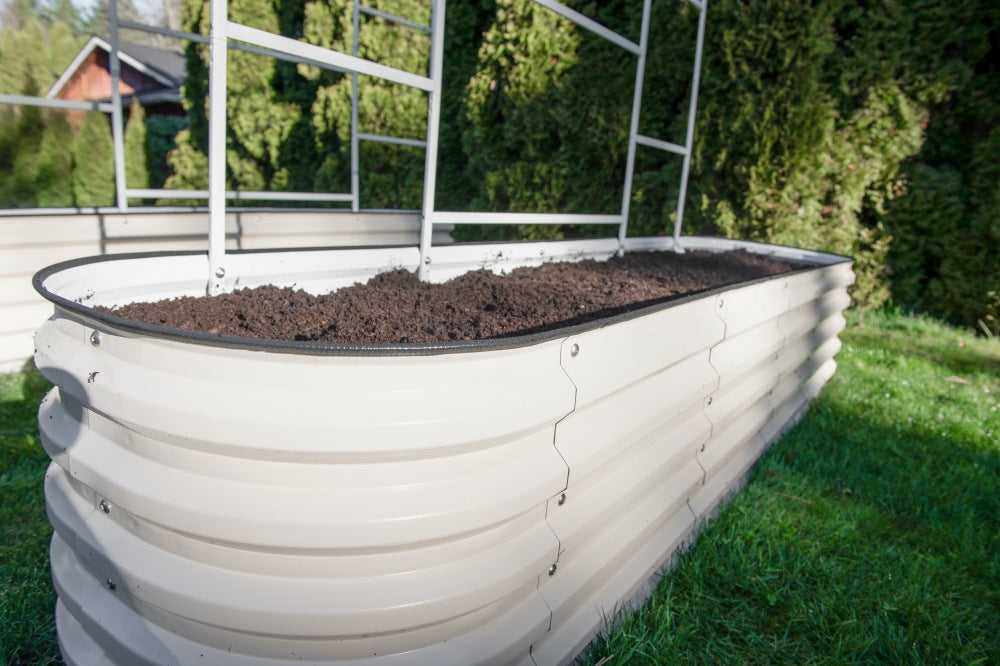
After gaining a rough understanding that Zn-Al-Mg steel is an upgraded version of galvanized steel, a more practical question gardeners may be concerned with: Are Vegega’s Zn-Al-Mg steel metal raised garden beds safe for use?
The answer is yes. The Zn-Al-Mg steel utilized by Vegega metal beds features a highly stable alloy structure. Even after prolonged contact with soil—and enduring exposure to rain and temperature fluctuations—it maintains its integrity remarkably well, resisting abnormal corrosion or material degradation. This level of stability is what traditional galvanized steel can't catch up to.
Moreover, Vegega's metal beds adopt AkzoNobel coating. This coating complies with food-contact safety standards and is free from harmful heavy metals. In practical use, the coating remains intact without peeling or breaking down, ensuring the safety of the growing environment in beds.
For many gardeners, the primary concerns typically center on three aspects:
- Whether metal raised beds will overheat during the summer.
- Whether metal beds will rust over time.
- Whether metal beds might leach toxic chemicals into the soil.
In response to these inquiries, we have conducted a more detailed article based on tests and analyses in a separate article:👉 Do Metal Raised Garden Beds Overheat, Rust, or Release Toxic Chemicals?
Under normal growing conditions, high-quality metal raised beds—particularly those constructed from Zn-Al-Mg steel—will not have any adverse effects on your plants or soil.
The safety of Vegega metal raised garden beds is not derived from the advantages of a single material alone; rather, it represents a comprehensive solution built upon the combination of superior materials, protective coatings, and intelligent structural design.
Vegega Zn-Al-Mg Steel Garden Beds Test Certificates
Vegega's Zn-Al-Mg steel raised beds have gain USDA paint warranty, ISO-9001 non-toxic and eco-friendly report, AkzoNobel food-contact coat certificate, SGS safe steel report, and a certificate for 30 years warranty for steel structure. More details in the following pictures:


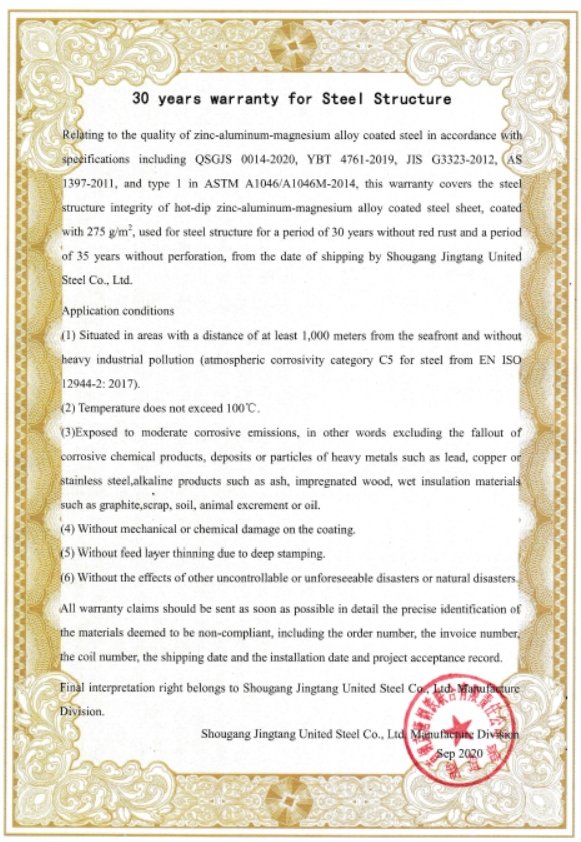
100% non-toxic, eco-friendly materials
Vegega uses AkzoNobel paint, the leading brand of 100% non-toxic paint, which is uniformly thick and free of crusts, impurities, and particles. This ensures metal raised garden beds have smooth and grain-free panels. Even after long exposure to the sun, the coating will not crack and peel off. Vegega metal raised garden beds have received dual USDA certification in the United States and Canada.
Environmentally friendly
Both the coating and the material used in the metal garden beds are eco-friendly. It meets the RoHS standard of the European Union and is now an internationally recognized environmentally friendly product. The coating does not contain heavy metal ions and can be planted with confidence.