How to Overwinter Herbs in Metal Raised Beds:
A Practical Winter Survival Guide
Cold temperatures, frost, and reduced sunlight often damage tender plants, making winter herbs more difficult to manage than summer crops. While some herbs that grow in winter can tolerate cold conditions, others require extra protection or a change in growing environment.
Using metal raised garden beds can help improve drainage and soil warmth during colder months, reducing stress on herb roots. For more sensitive varieties, growing herbs indoors in winter allows you to continue harvesting while avoiding frost damage. This guide explains how to overwinter herbs successfully using both outdoor and indoor strategies. Let’s start.
Which Herbs Can Survive Winter

Cold-Hardy Herbs (Can Overwinter Outdoors)
These herbs are well-adapted to lower temperatures and can survive winter outdoors, especially when grown in raised beds with proper drainage and insulation. In many regions, they enter dormancy during winter and resume growth in spring.
- Thyme: Extremely cold-tolerant; remains viable in USDA Zones 5–9
- Sage: Woody stems help protect the crown from frost
- Chives: Die back above ground but regrow reliably in spring
- Oregano: Survives freezing temperatures with light mulch
- Mint: Hardy roots tolerate cold, though growth slows significantly
Tender Herbs (Require Protection or Indoor Growing)
Tender herbs lack the structural resilience needed to withstand frost and freezing soil. Without intervention, they are likely to suffer permanent damage or die during winter.
- Basil: Highly frost-sensitive; should be harvested or moved indoors
- Cilantro: Tolerates cool weather but not hard frost
- Parsley: Biennial; survives mild winters with protection
- Rosemary: Cold tolerance varies by variety and climate zone
Why Metal Raised Beds Help Herbs Overwinter

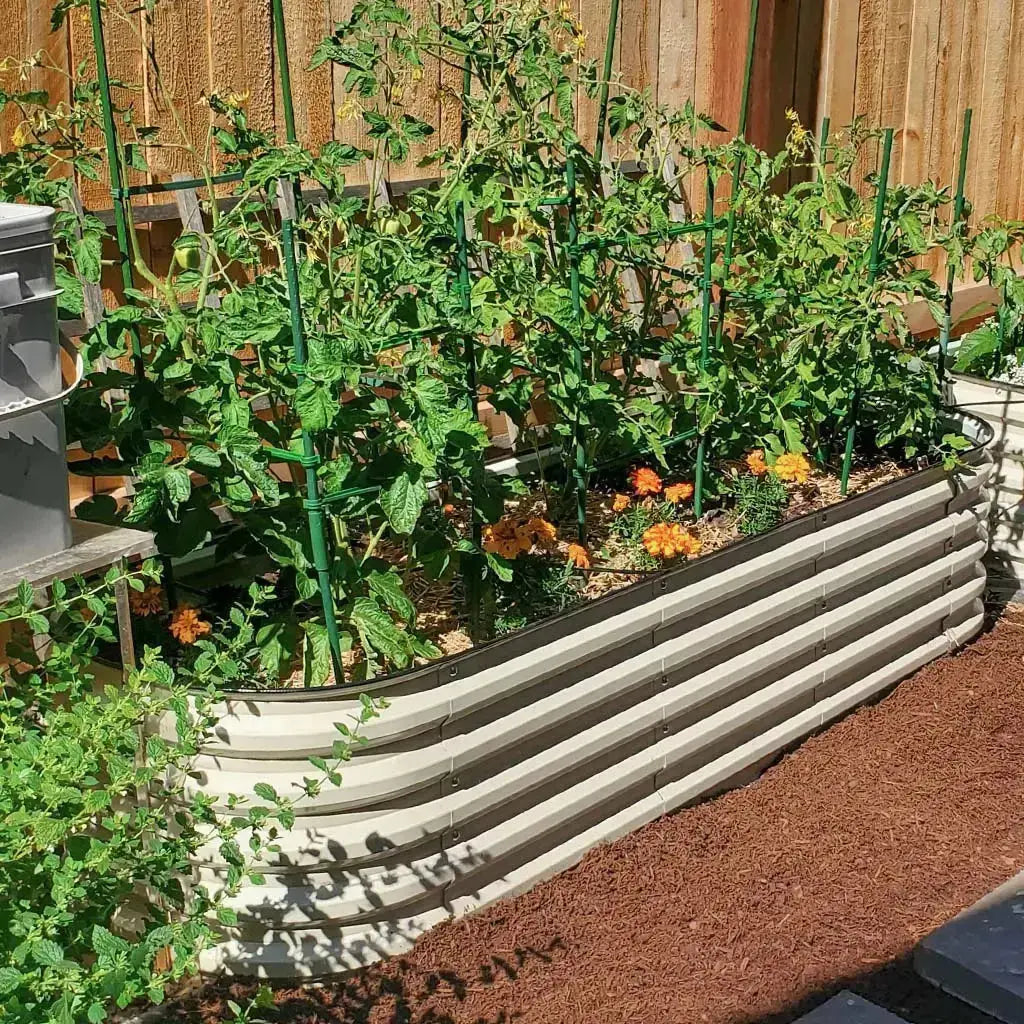
Choosing the right growing environment is important for helping herbs survive winter. Compared to in-ground planting or traditional wooden raised beds, metal raised beds provide several advantages that improve winter herb survival. Now, Let’s check the secrets in it.
Improved Drainage Prevents Root Damage
Winter soil tends to stay wet longer outdoors, and excess moisture around herb roots increases the risk of rot and fungal disease. Metal raised beds promote faster drainage, keeping roots drier and healthier throughout the winter months.
Better Temperature Regulation
Metal garden beds absorb heat during the day and release it gradually as temperatures drop at night. While metal raised beds do not eliminate freezing, they can delay soil freeze and protect root systems during light to moderate frosts.
Elevated Design Reduces Frost Impact
Because raised beds sit above ground level, they are less affected by deep ground frost. The elevation of metal raised beds reduces prolonged exposure to freezing conditions. What’s more, you can also install raised bed cover on the metal raised beds to give the herbs double security.
For gardeners aiming to grow winter herbs or protect cold-hardy veggies through the colder months, metal raised beds offer a reliable, low-maintenance solution.
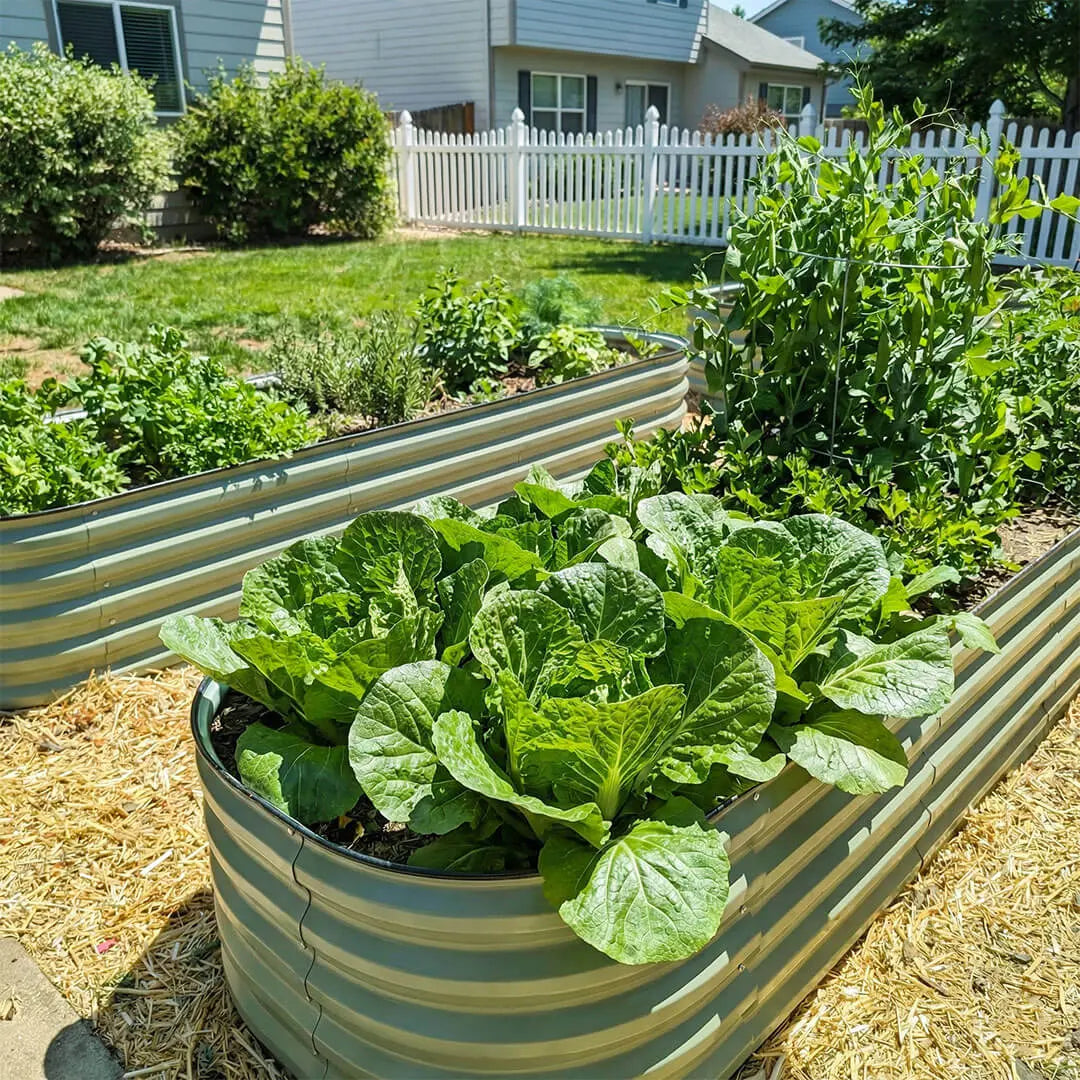
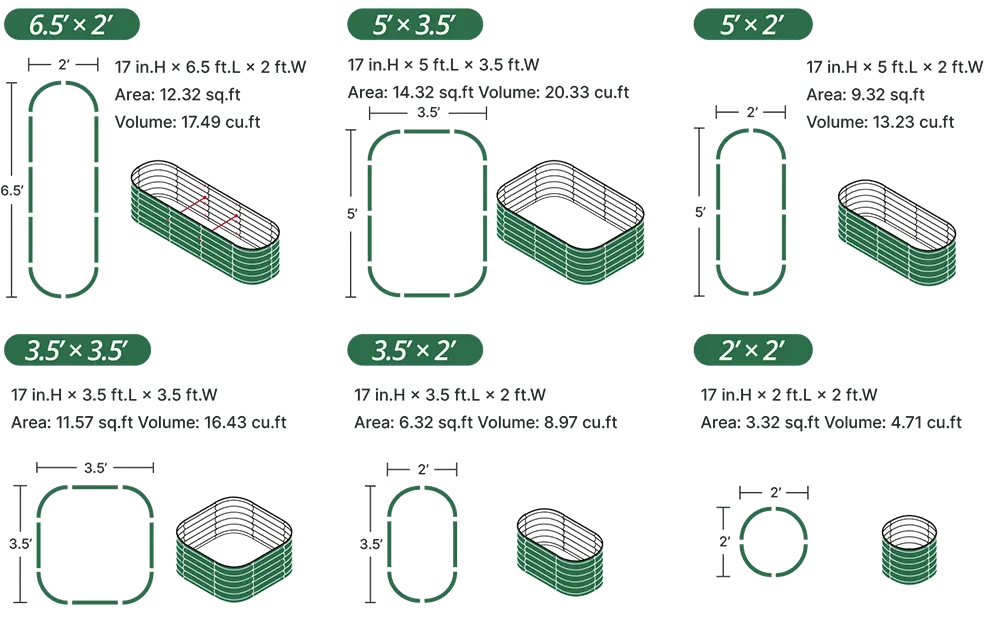
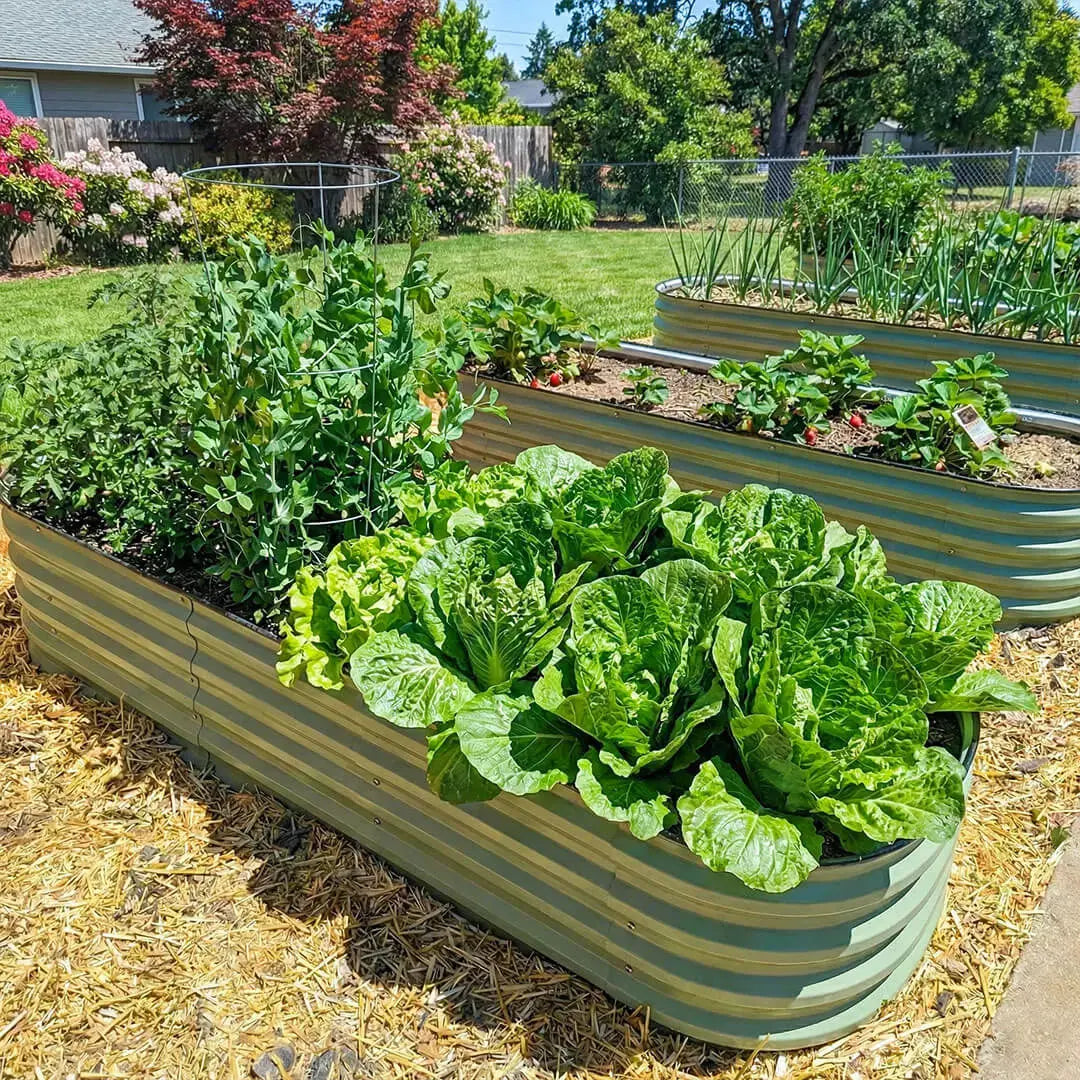
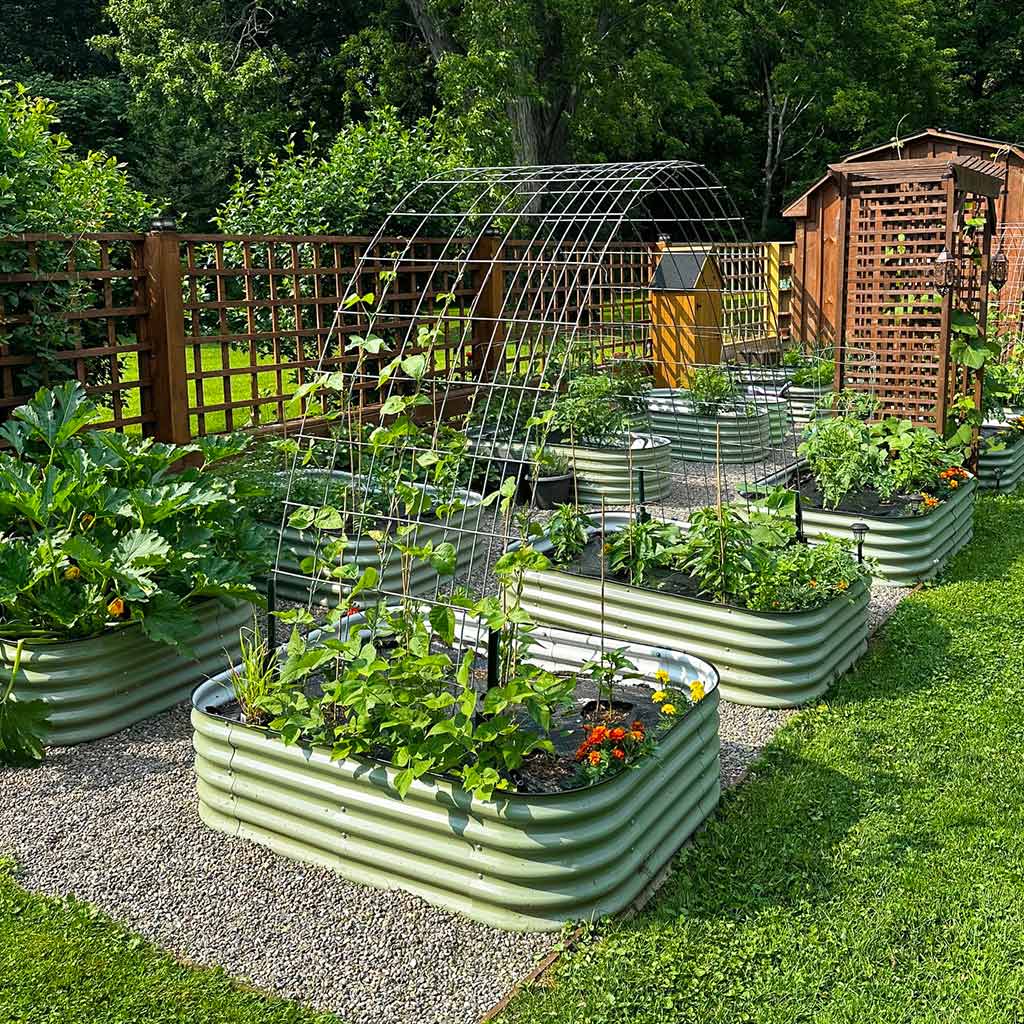
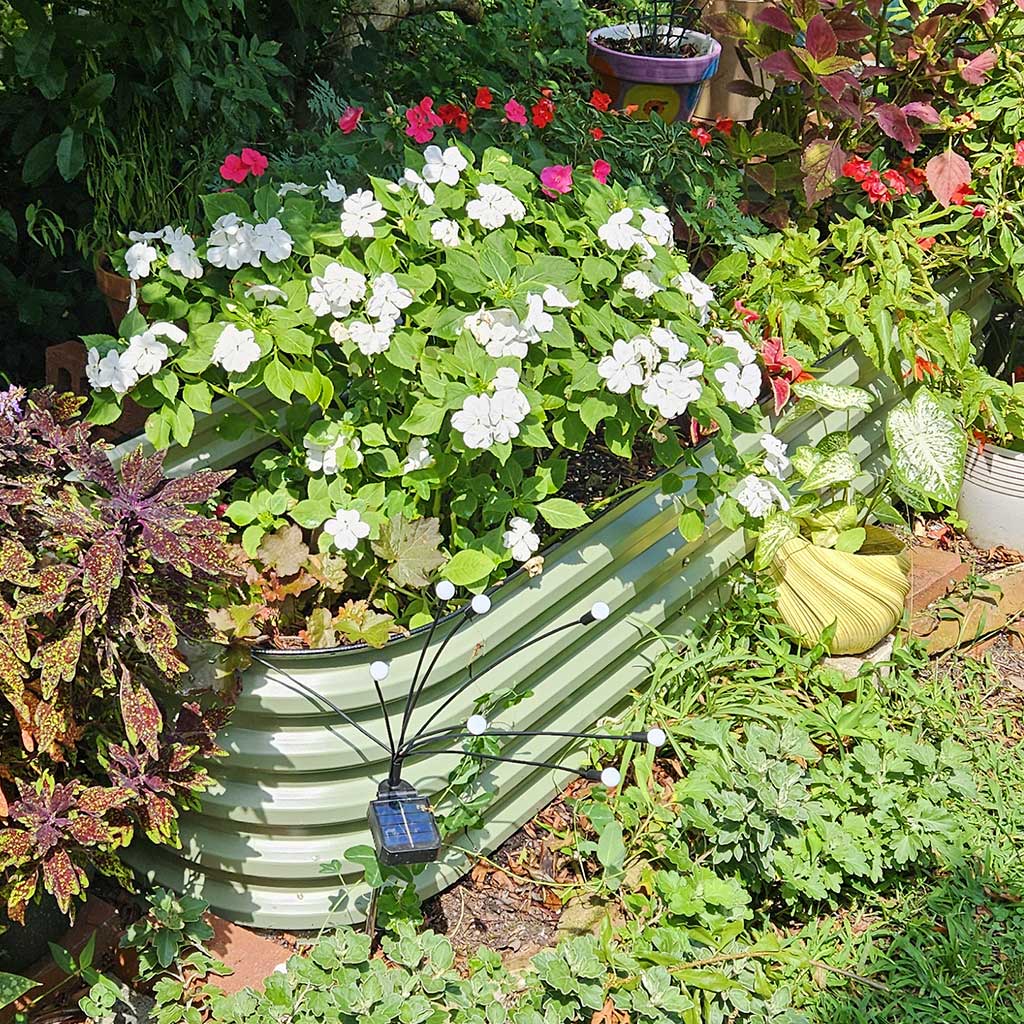
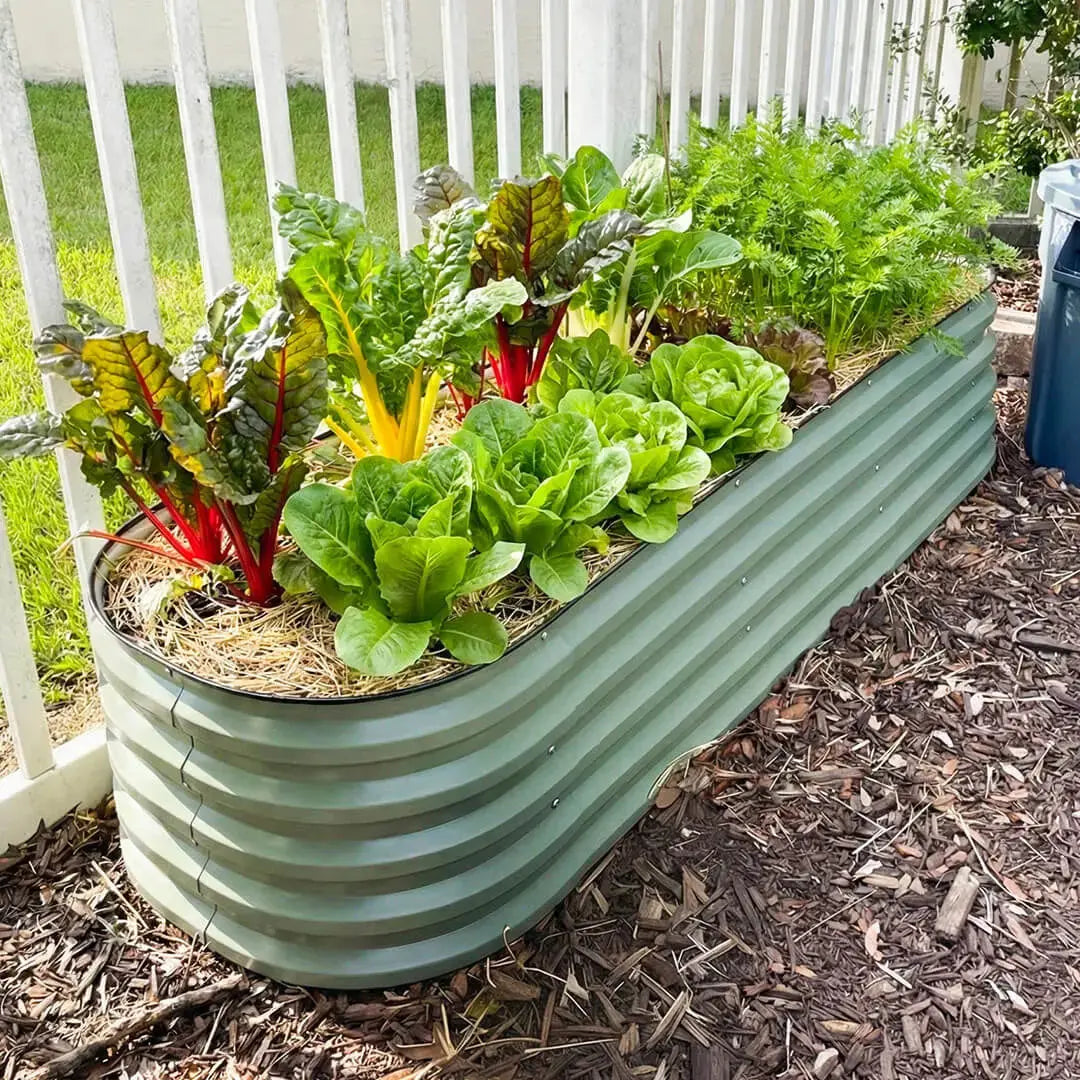
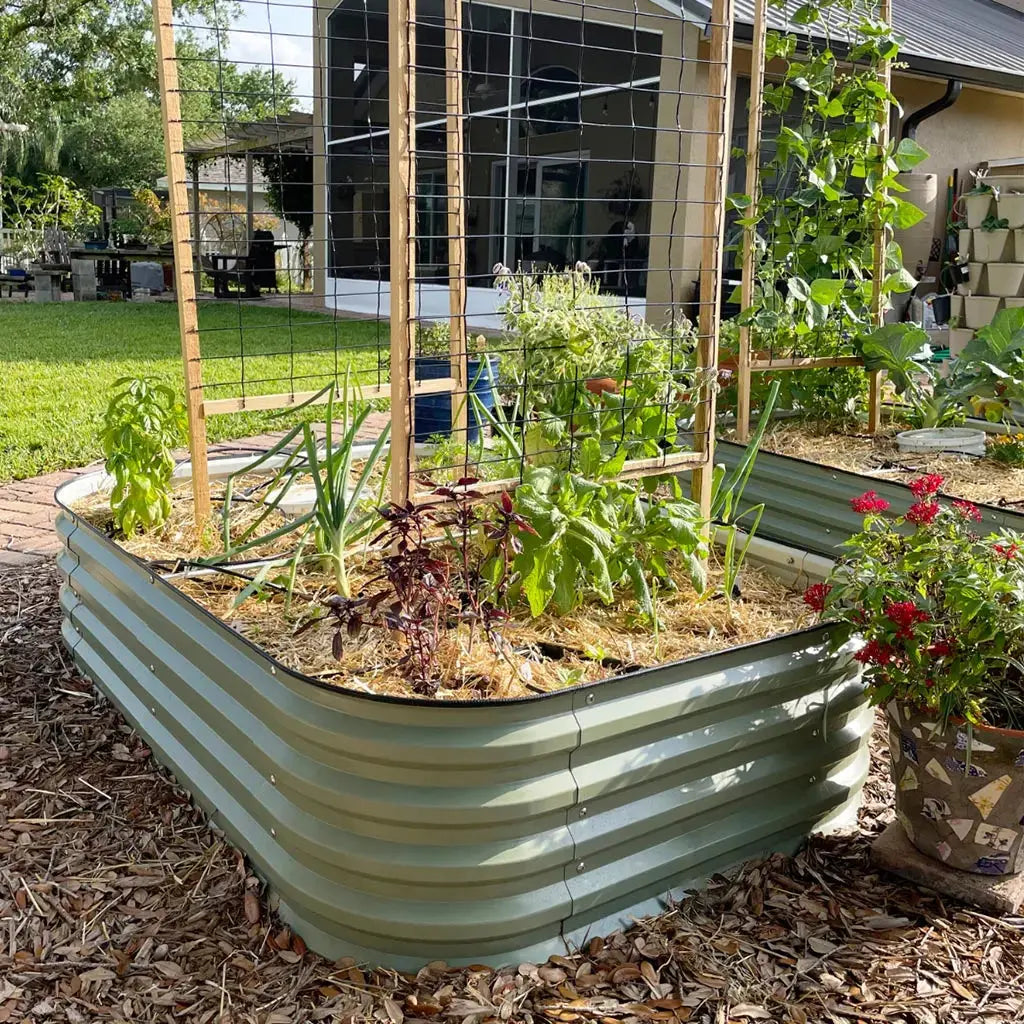

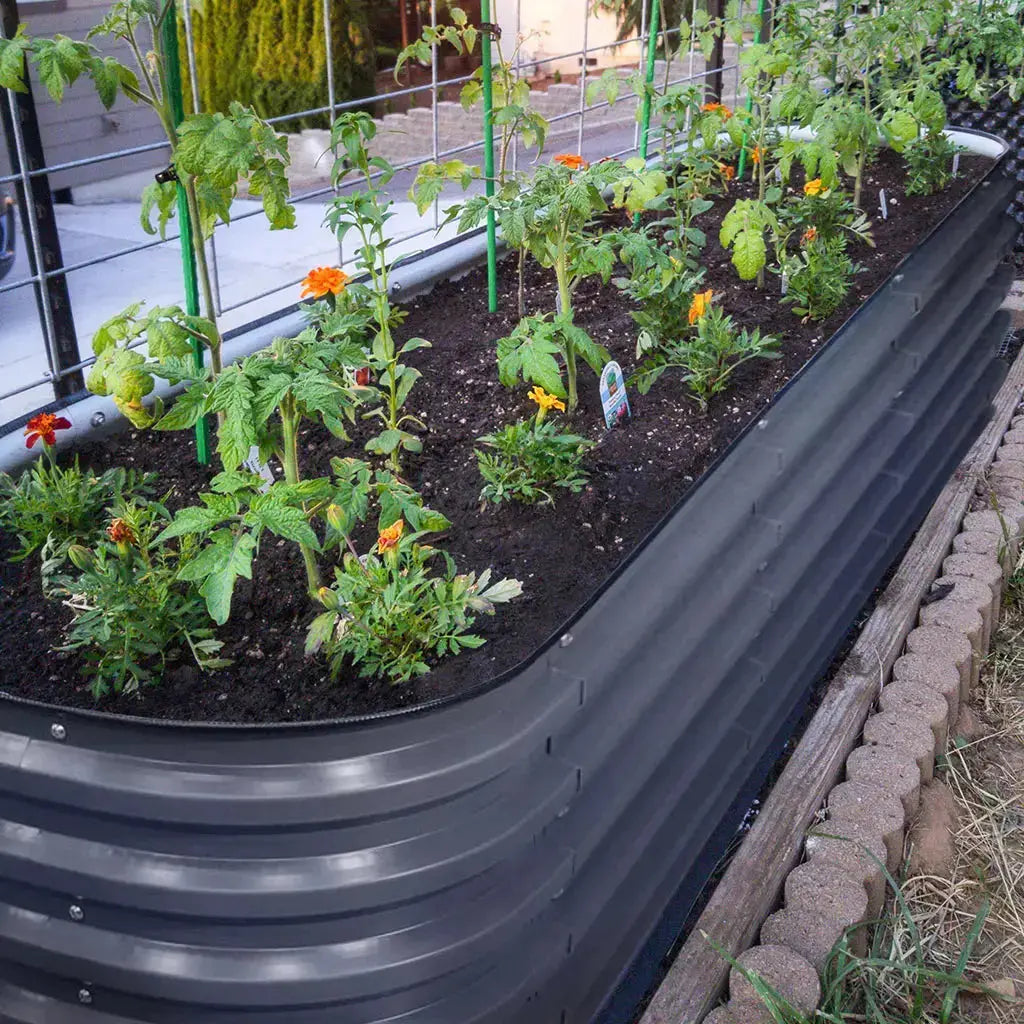
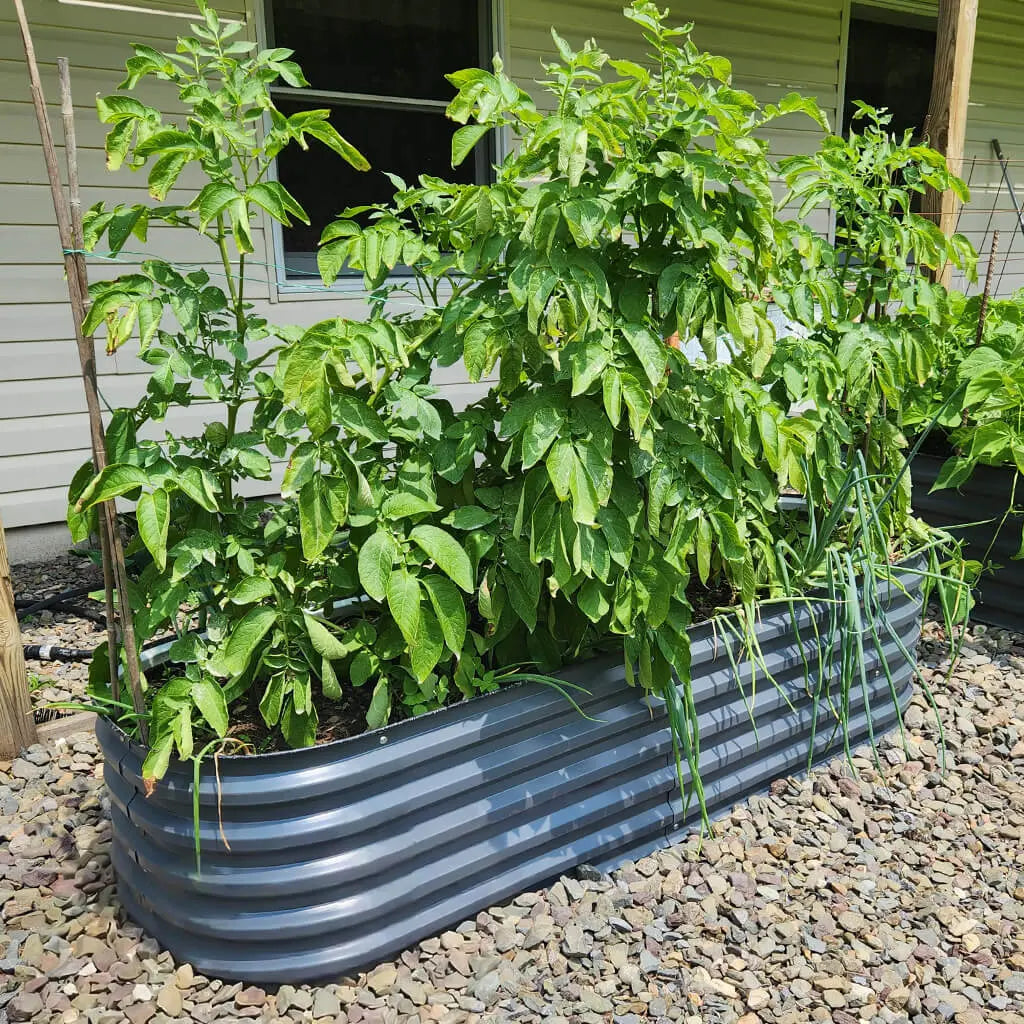

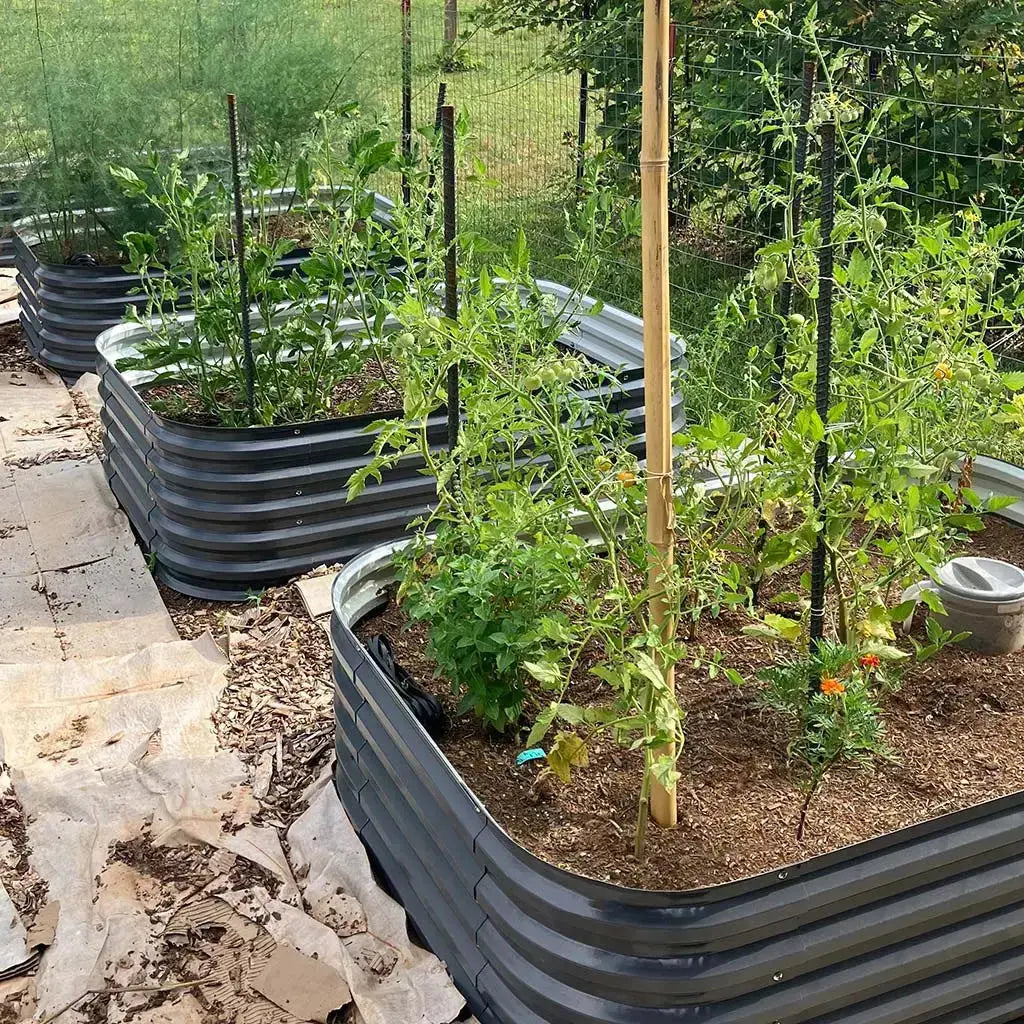

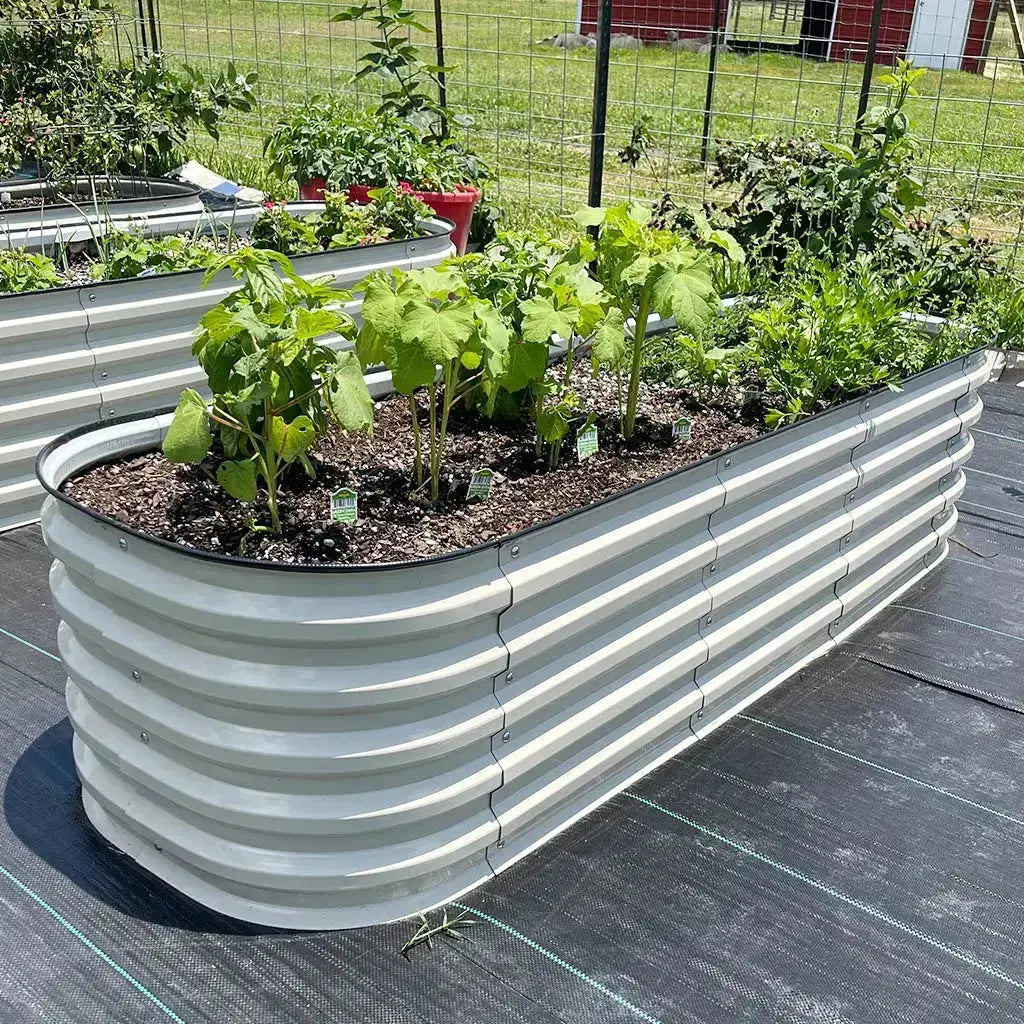
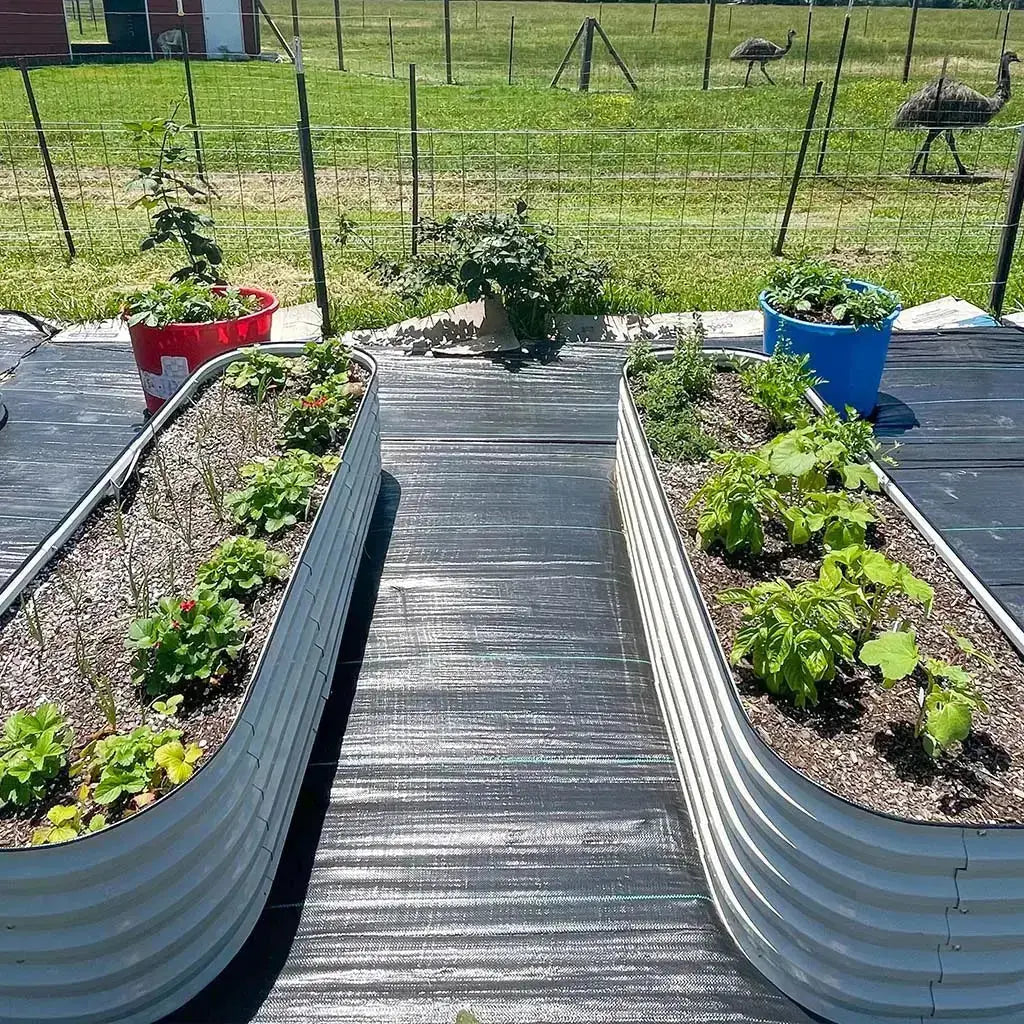
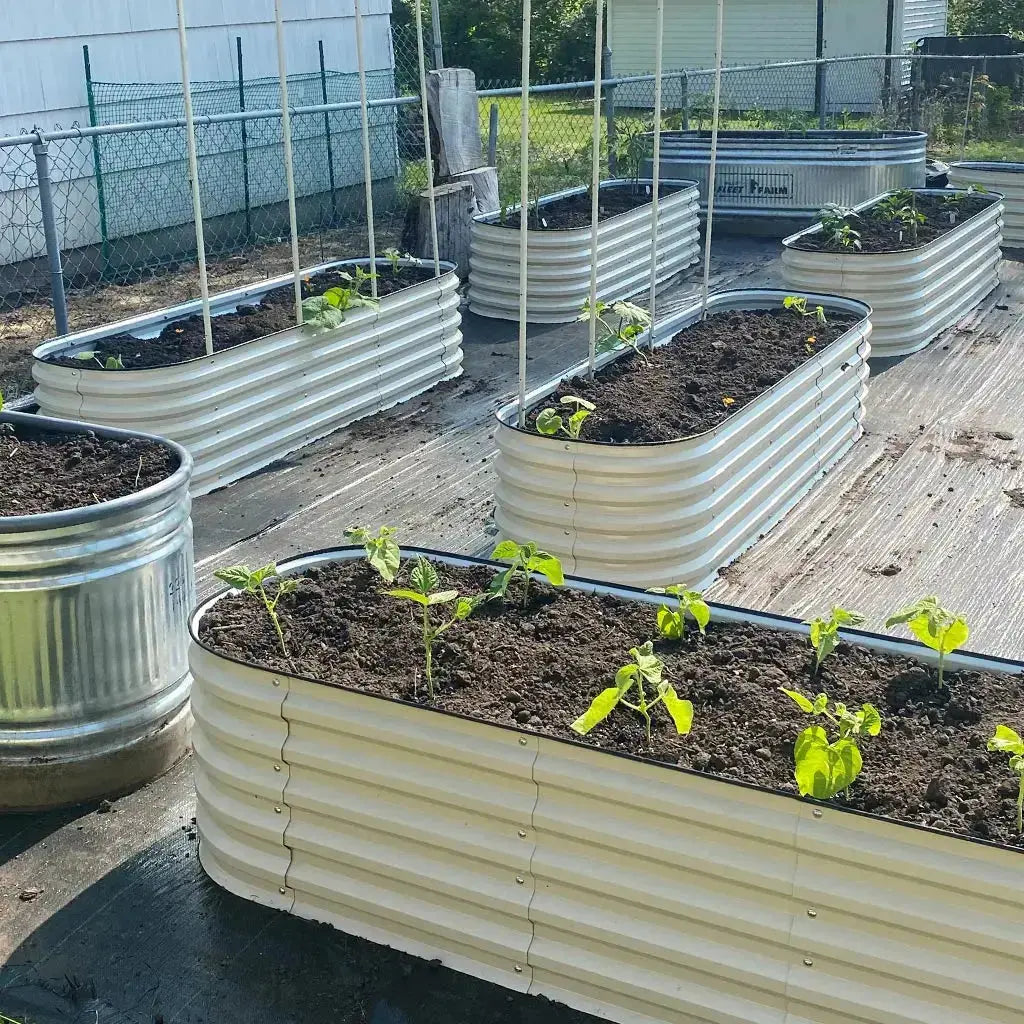
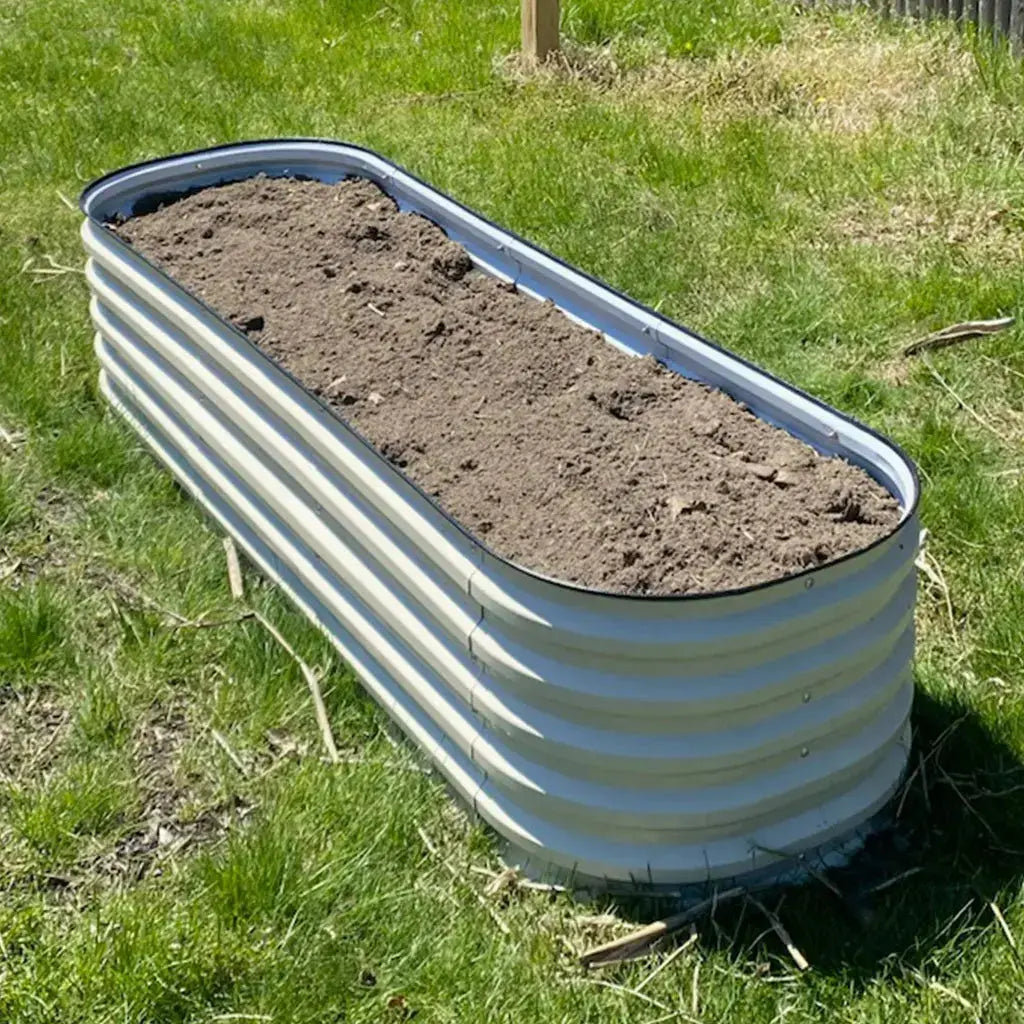
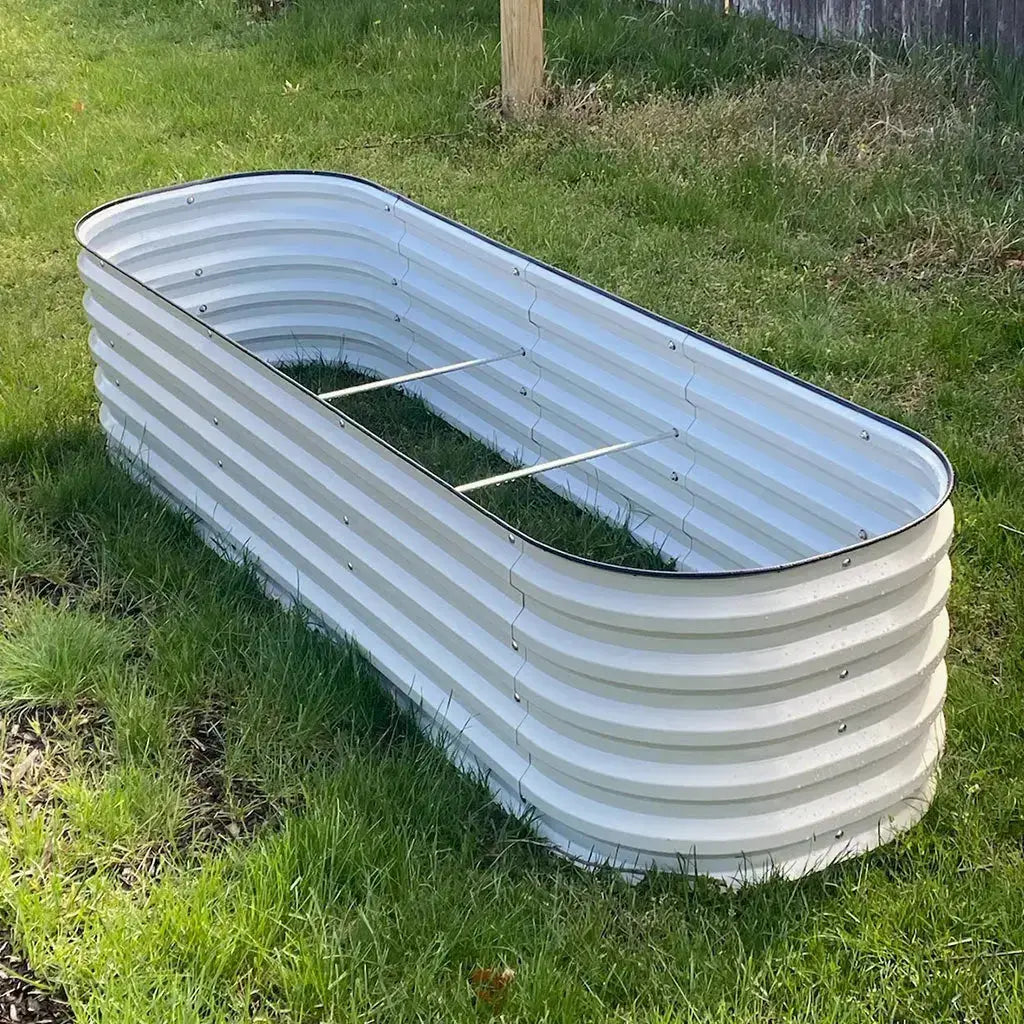
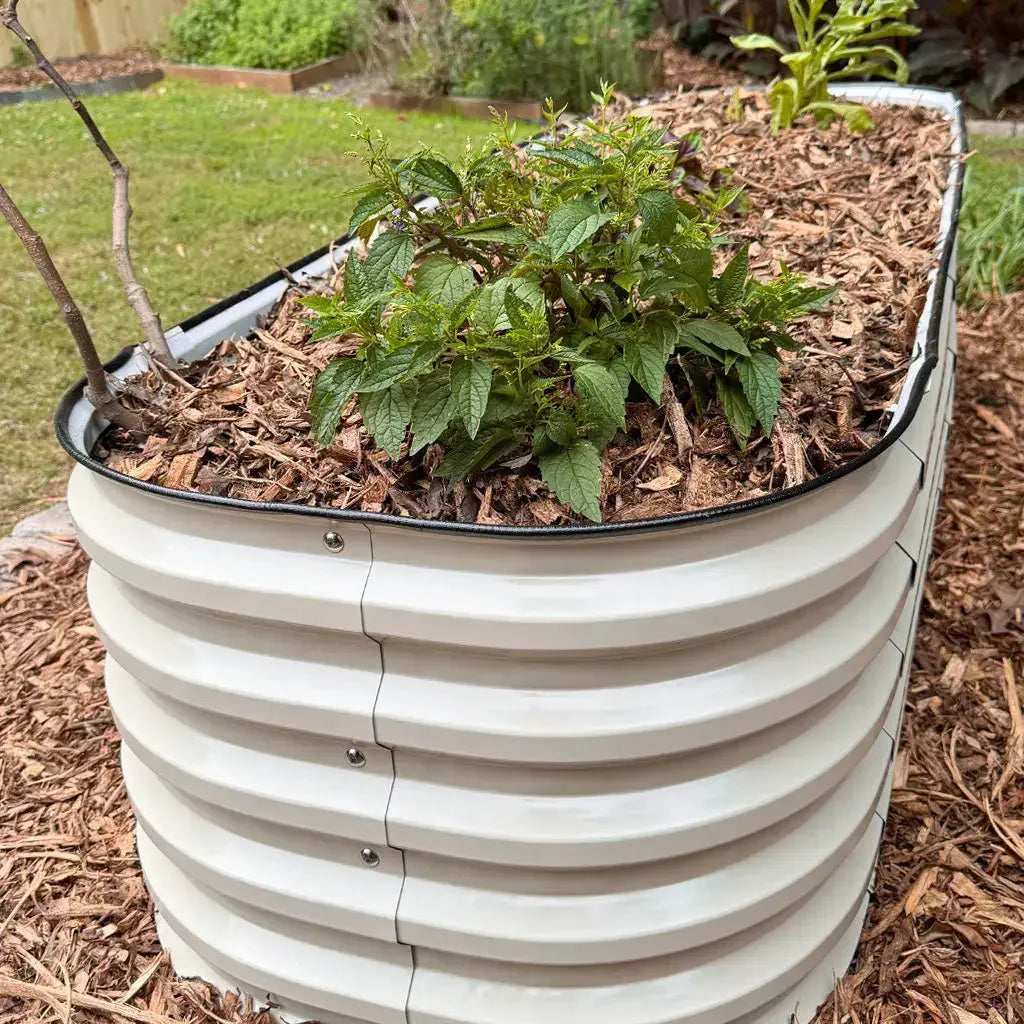
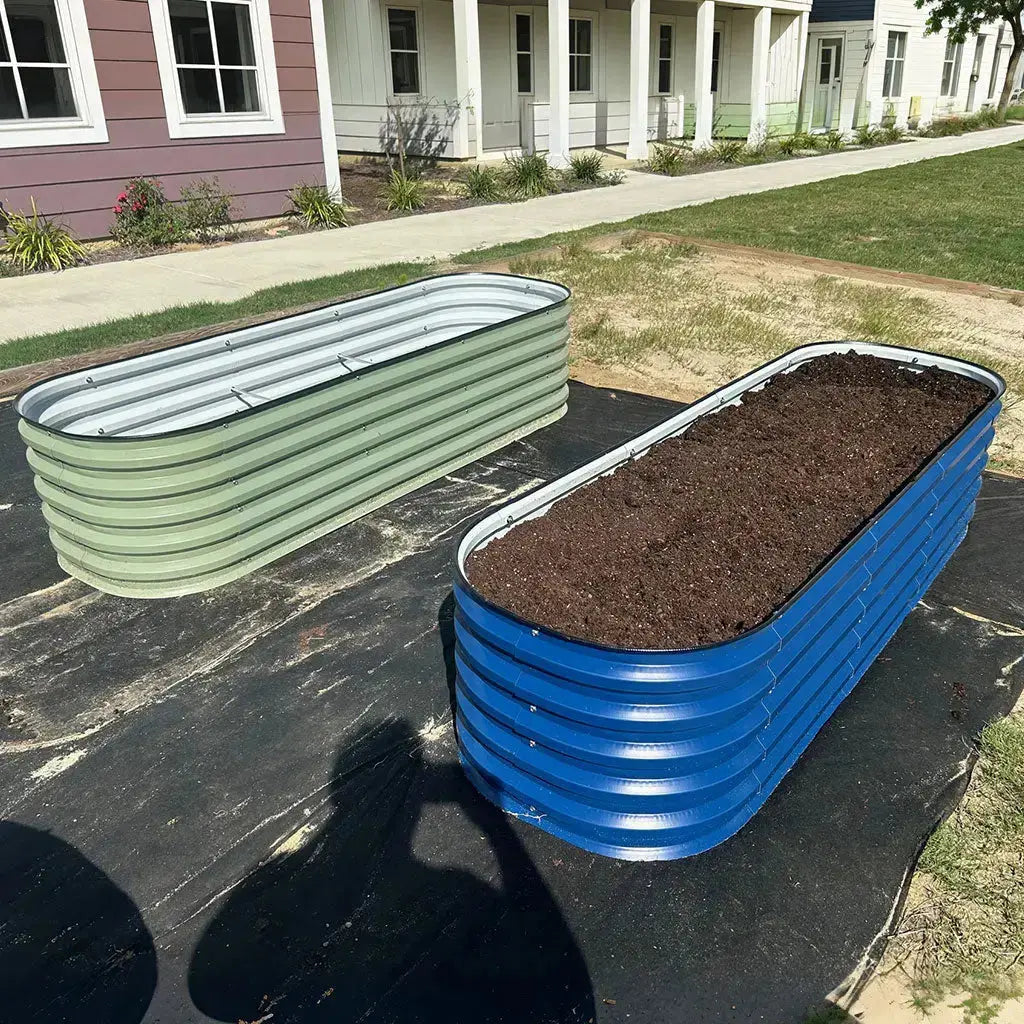
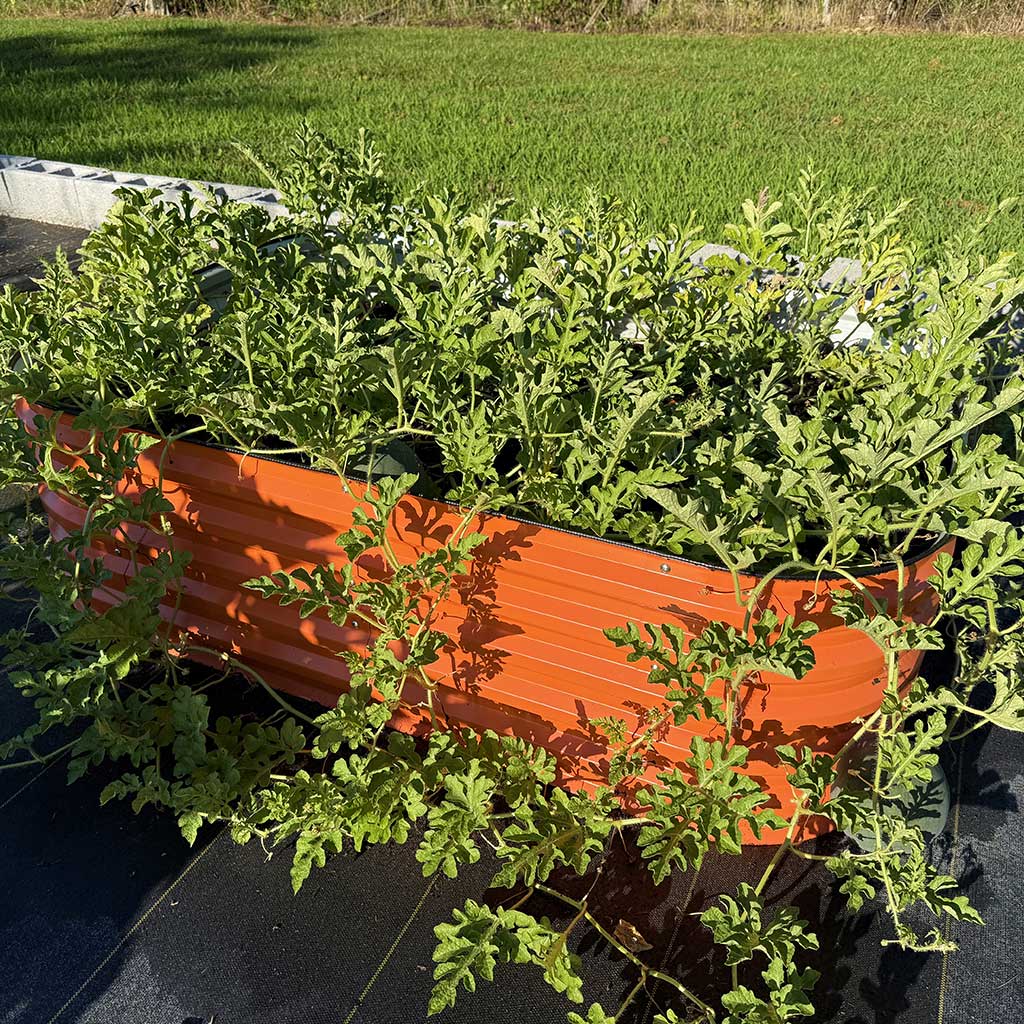


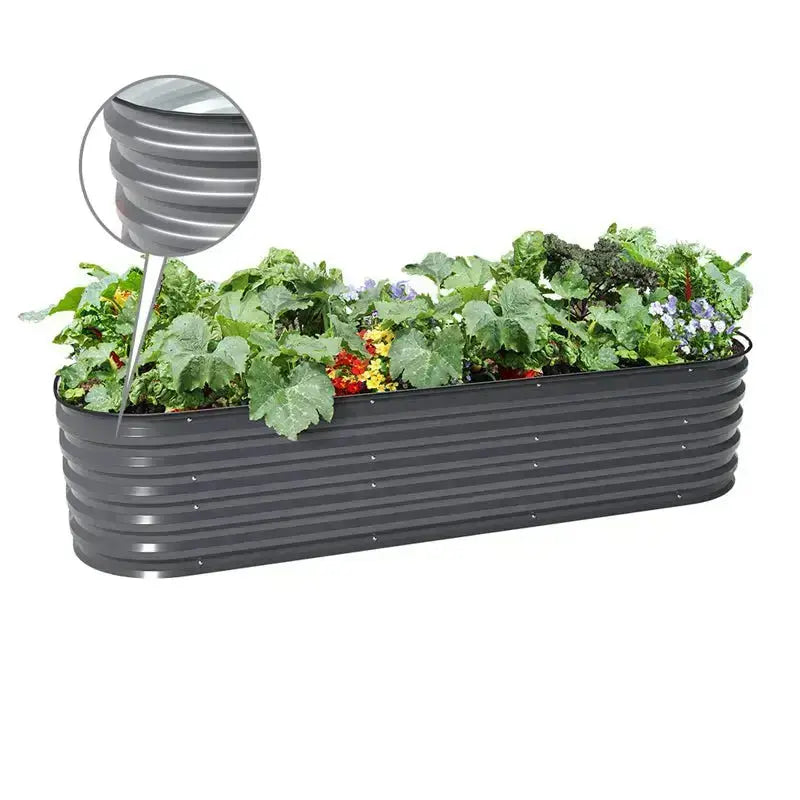
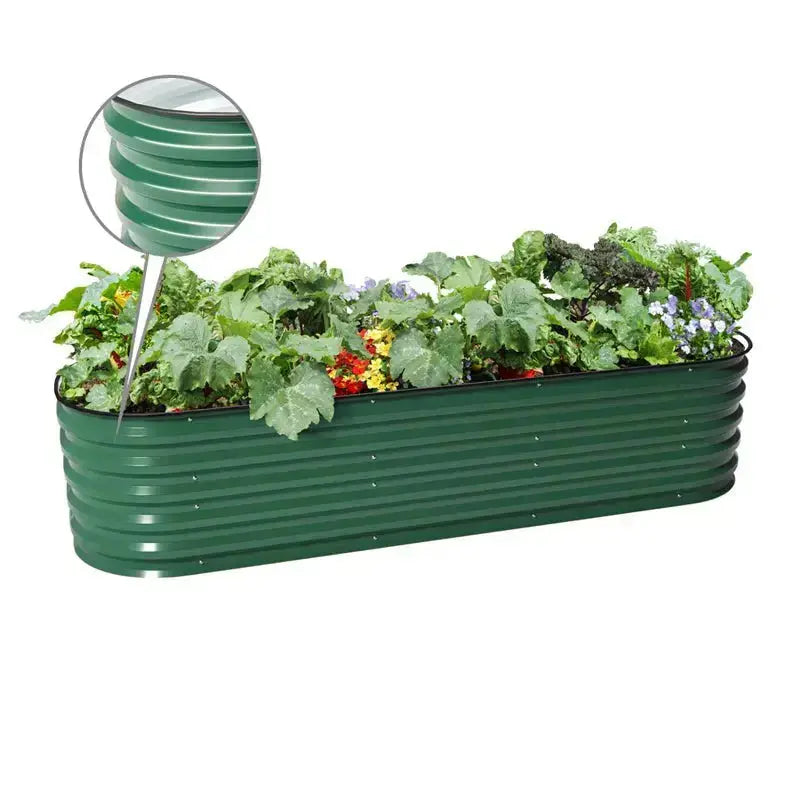
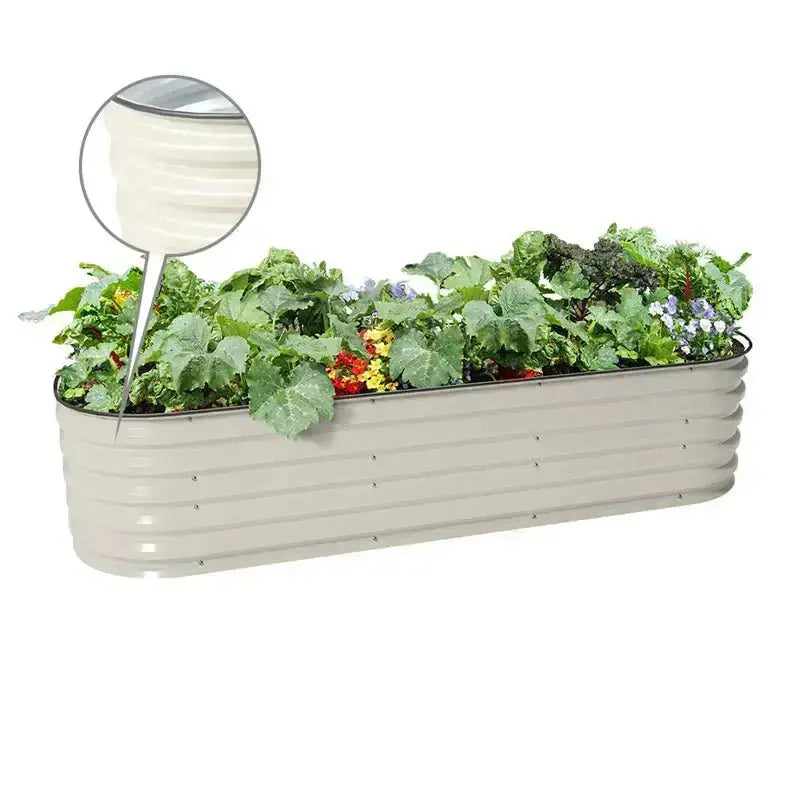
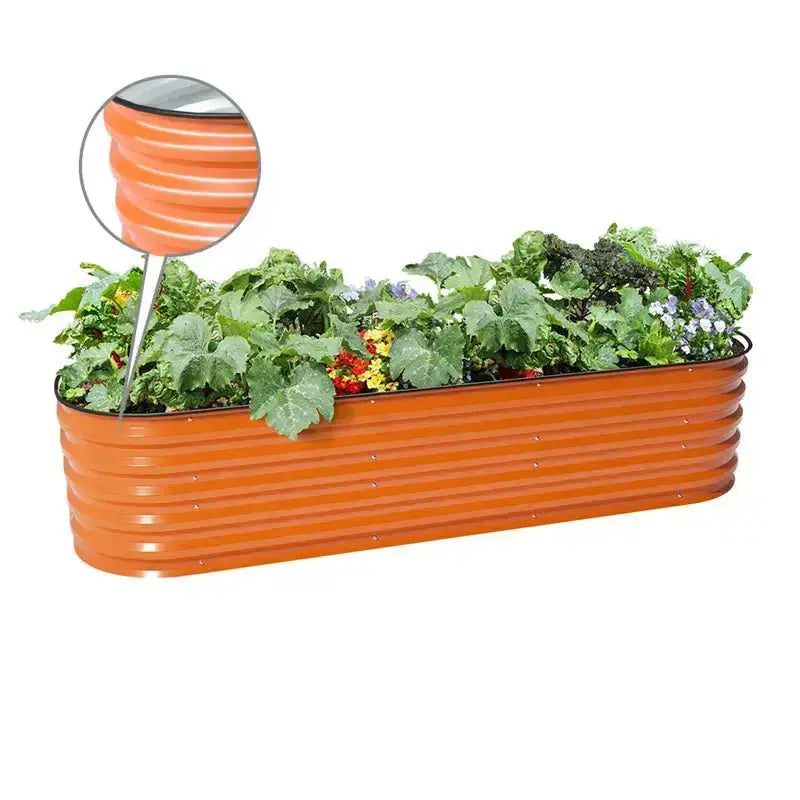


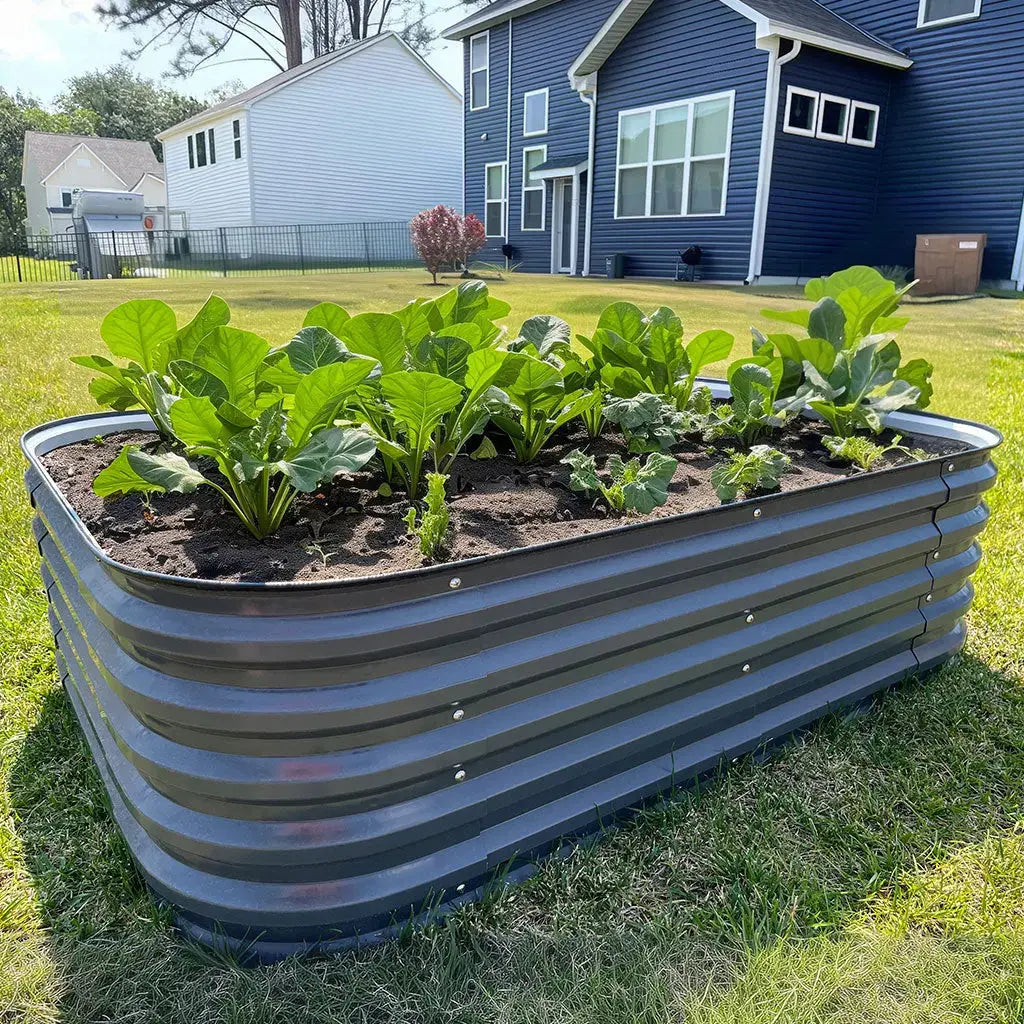
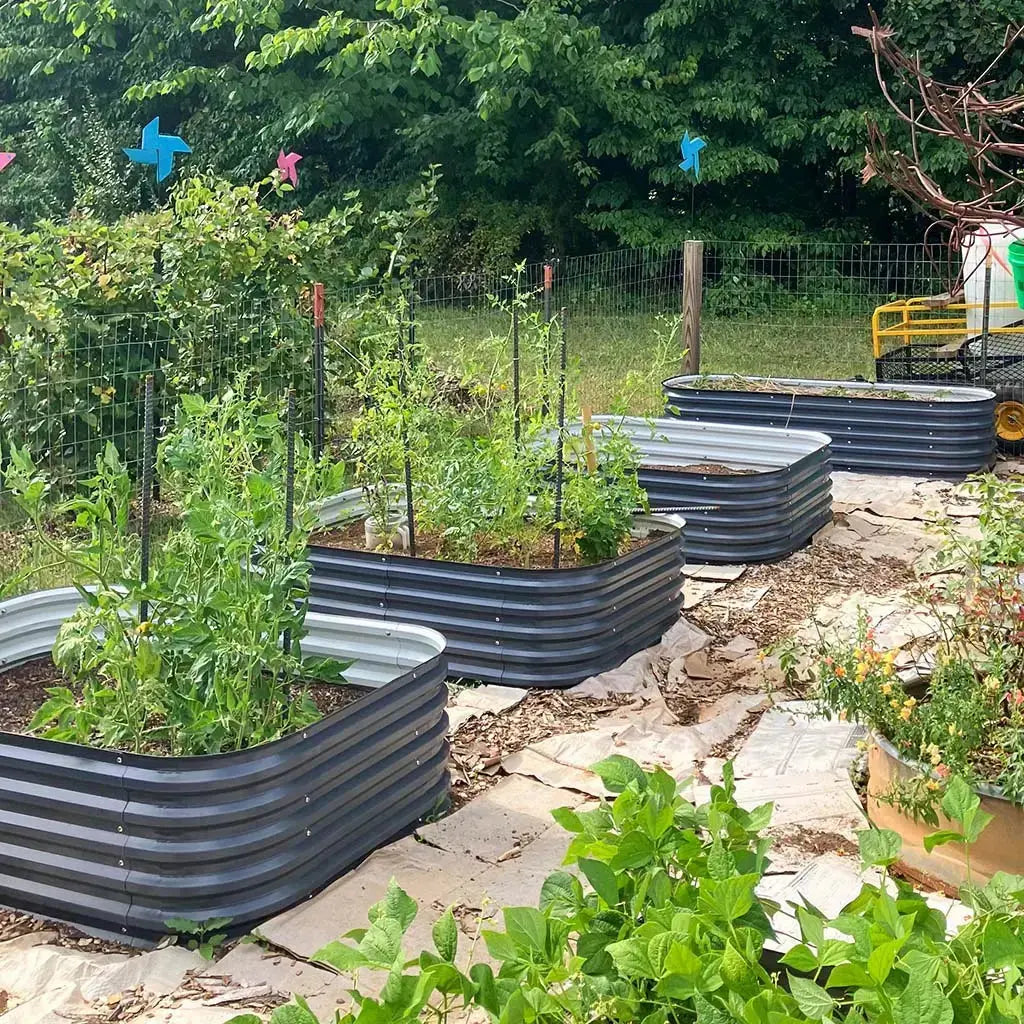

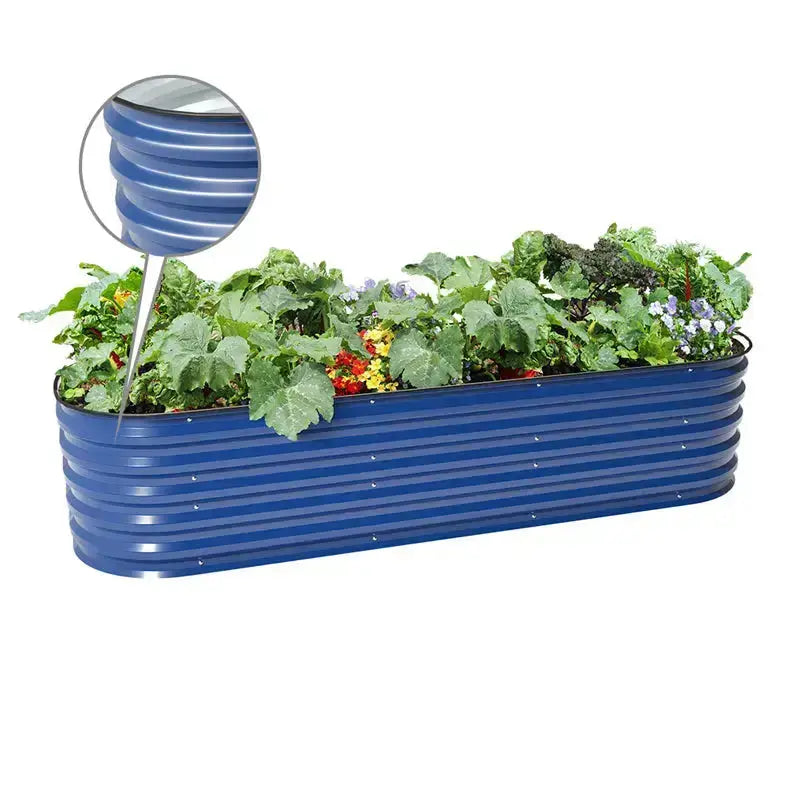
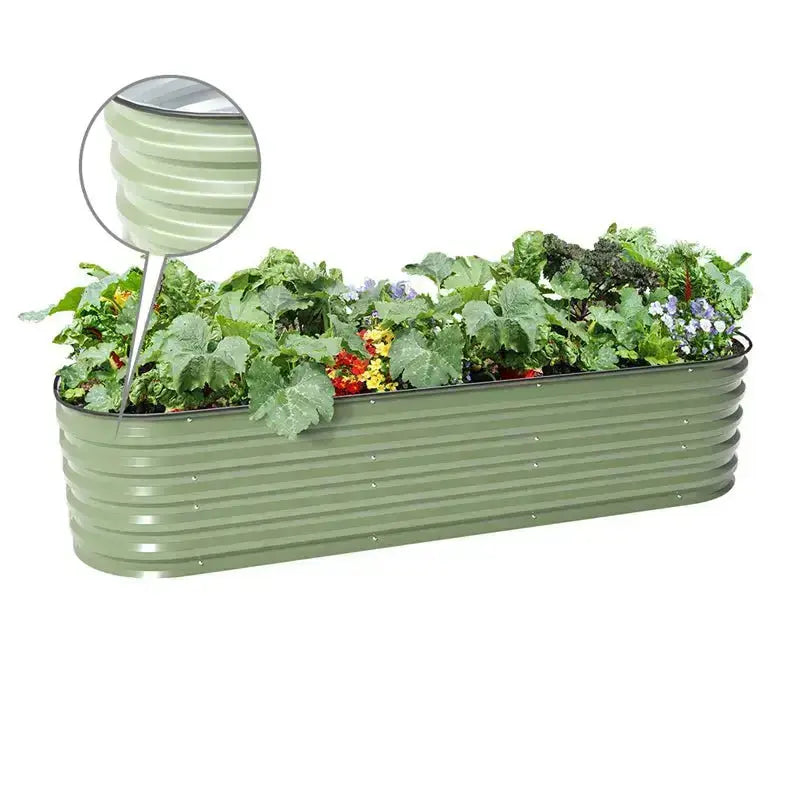
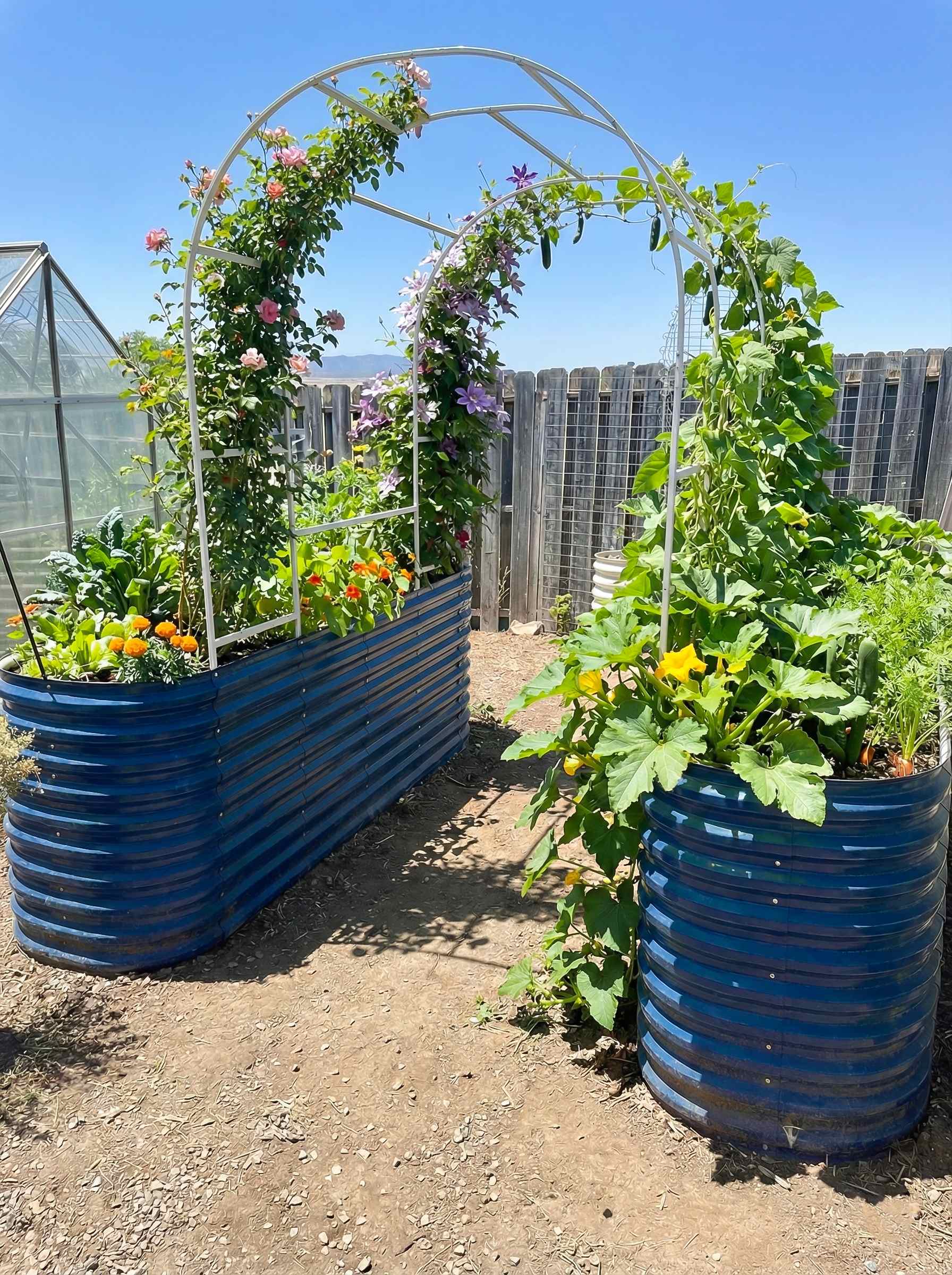
17" Tall 6.5' x 2' Metal Raised Garden Bed (6-in-1) | Upgrade 2.0 Knee-High Design
How to Overwinter Herbs Outdoors (in Raised Beds)
Successfully overwintering herbs outdoors requires preparation, timing, and consistent protection. While many cold-hardy herbs can tolerate low temperatures, taking the right steps before and during winter promotes healthier regrowth in spring.

Step 1: Prepare Herbs Before the First Frost
- Lightly prune herbs to remove weak or damaged growth
- Avoid heavy pruning, which can stimulate new, frost-sensitive growth
- Stop fertilizing in late summer or early fall to allow plants to harden off
- Remove fallen leaves and diseased plant material from the raised bed
Step 2: Protect the Root Zone with Mulch
- Apply a 2–4 inch layer of organic mulch (straw, shredded leaves, or pine needles)
- Focus on insulating the soil surface rather than covering the plant crown
- Mulch helps regulate soil temperature and reduce freeze-thaw cycles
Step 3: Add Frost Protection During Cold Snaps
- Use frost cloth, row covers, or breathable garden fabric
- Secure raised garden bed covers to prevent wind from exposing plants
- Remove or open covers during warmer daytime periods to prevent excess moisture buildup
Step 4: Adjust Watering for Winter Conditions
- Water only when the soil is dry and temperatures are above freezing
- Avoid watering before a hard freeze
- Ensure raised beds drain freely to prevent soggy soil
Step 5: Monitor Plants Throughout Winter
- Check plants periodically for signs of rot or pest damage
- Replace mulch or covers displaced by wind or snow
- Expect above-ground growth to slow or die back—this is normal dormancy
Growing Herbs Indoors in Winter

Growing herbs indoors in winter is an effective way to maintain fresh harvests while protecting plants from frost damage. And indoor growing allows for greater control over temperature, light, and moisture. We have another detailed article about Can you Grow Herbs Inside Without Direct Sunlight you may be interested in.
Choose the Right Herbs for Indoor Growing
Not all herbs adapt equally well to indoor environments. Herbs with compact growth habits and moderate light requirements tend to perform best.
- Basil: Grows well indoors with sufficient light and warmth
- Parsley: Tolerates indoor conditions and continues steady growth
- Chives: Adapt easily and regrow quickly after harvesting
- Cilantro: Prefers cooler indoor temperatures and bright light
Provide Adequate Light
Light is the most common limiting factor for indoor herb growth during winter.
- Place herbs near a south-facing window whenever possible
- Supplement with grow lights if natural light is insufficient
- Provide 12–14 hours of light daily for healthy growth
- Rotate containers regularly to ensure even light exposure
Maintain Proper Temperature and Airflow
Indoor herbs thrive in stable conditions.
- Ideal temperature range: 60–70°F
- Avoid placing plants near cold drafts or heat vents
- Ensure good air circulation to reduce disease pressure
Adjust Watering and Soil Care
Overwatering is a frequent cause of failure when growing herbs indoors in winter.
- Water only when the top inch of soil feels dry
- Use well-draining potting mix to prevent soggy roots
- Empty saucers to avoid standing water
Harvest Carefully to Encourage Growth
Regular harvesting keeps herbs productive throughout winter.
- Trim no more than one-third of the plant at a time
- Harvest from the outer growth to encourage new shoots
- Avoid aggressive cutting during periods of slow growth
Conclusion
Winter does not have to signal the end of herb gardening. By understanding which herbs can survive cold conditions and choosing the right overwintering method, you can protect your plants and extend their productivity well beyond the traditional growing season.
For gardeners who want a more reliable outdoor solution, Vegega’s metal raised beds offer improved drainage, better soil temperature regulation, and greater durability during harsh weather. With the right setup and seasonal care, your herb garden can remain productive year-round, even in colder climates. And here we have How to Grow a Herb Garden in Raised Beds detailed guide for you to build an expert herb garden.