How to Keep Animals Out of Raised Garden Beds
Last Updated: June 5th, 2026 by Vegega Team
The most effective way to keep animals out of raised garden beds is to combine multiple physical barriers, including appropriate raised bed height, underground hardware cloth, netting or raised bed covers, and perimeter fencing. While raised beds cannot completely prevent animal damage, they offer more opportunities for control and protection than traditional in-ground gardens. Features such as elevated sides, smooth metal surfaces, and the ability to install covers and underground barriers make raised beds easier to defend against rabbits, squirrels, raccoons, birds, voles, and other common garden animals.
- Why Raised Beds Offer Better Animal Protection Than In-Ground Gardens
- Common Animals That Damage Raised Bed Gardens in North America
- How to Protect Raised Beds From Different Animals
- Creating a Multi-Layer Defense System
The seeds were dug out as soon as they sprouted. The ripe tomatoes suddenly showed bite marks, and the lettuce was gnawed overnight. There isn't much left. For many gardening enthusiasts, the loss caused by animals is often more of a headache than pests and diseases.
In North America, deer, rabbits, squirrels, raccoons, birds, and various burrowing animals can destroy vegetable gardens. However, compared with traditional in-ground planting, raised garden beds offer better protection.
This article will introduce common animal threats and explain how metal raised garden beds can help you protect your vegetables and fruit more effectively.
Why Raised Beds Offer Better Animal Protection Than In-Ground Gardens

After encountering animal damage, some beginners may focus on repellent methods—spraying repellents, hanging reflective tape, or using ultrasonic devices. However, these approaches often only work in the short term. The planting system itself is what truly matters.
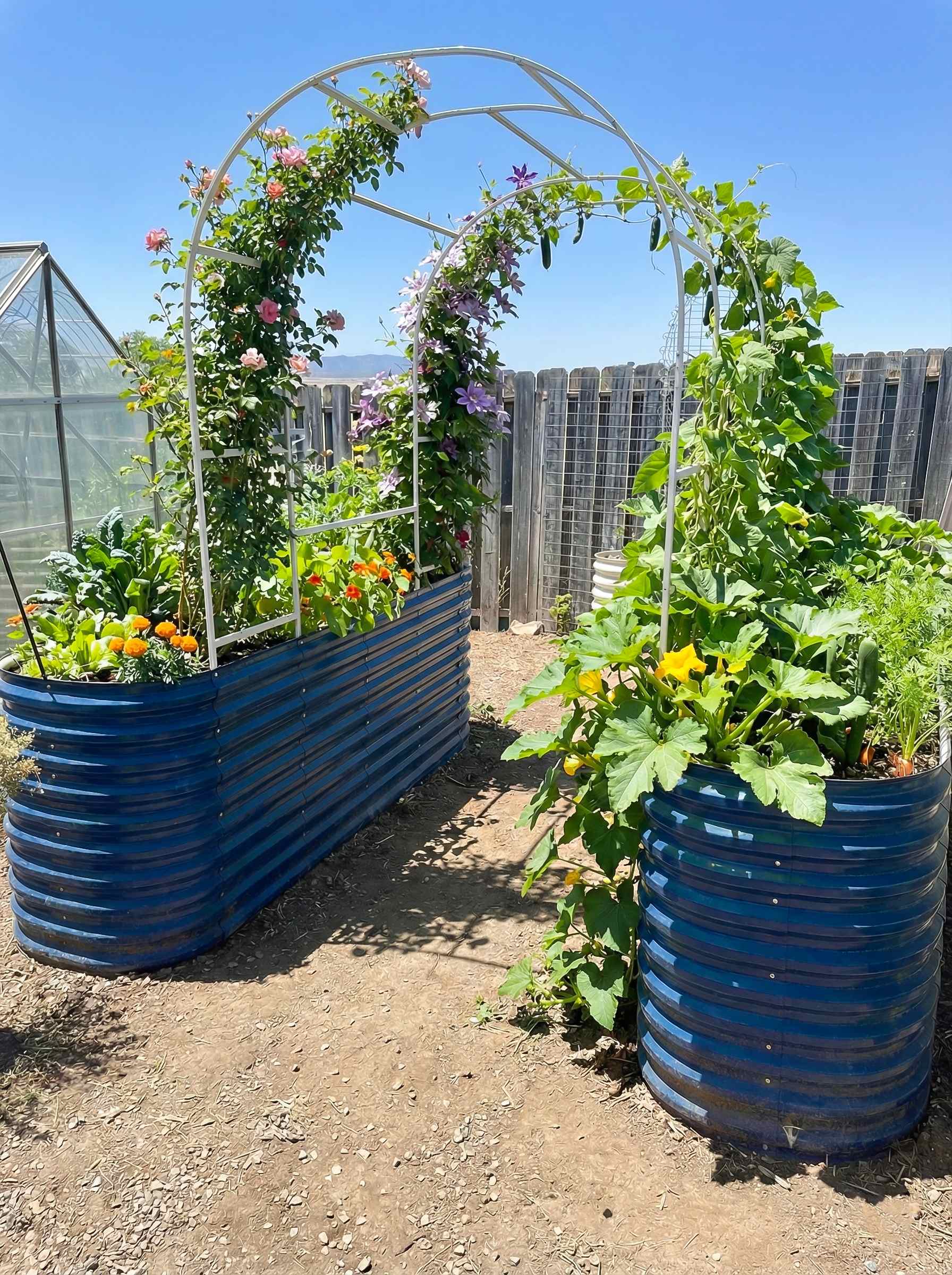
Raised garden beds won't turn your garden into a fortress, but they make it far easier to set up physical barriers, reducing the chance that animals can reach your crops.
First, raised beds provide a natural framework for protective structures. Bird netting, bed covers, shade cloth, and mesh frames can all be securely attached directly to the bed's edges.
Second, the height of the bed itself serves as the first line of defense. For ground-based animals like rabbits, dogs, and cats, a bed height of 17 or 32 inches raises the difficulty of entry and reduces the likelihood of them wandering onto the planting area.
For burrowing animals, raised beds offer an advantage that traditional in-ground gardens can hardly match: the ability to install hardware cloth or wire mesh during the bed-building phase. This can effectively prevent voles, moles, and even some groundhogs from entering the planting area from below. (We have an article on how to install stainless steel wire mesh to stop rodents—see it here.)
If you choose metal raised beds, their smooth surfaces make climbing more difficult. While this design won't completely stop agile climbers like squirrels or raccoons, metal side panels offer far fewer grip points than rough wood. This makes it easier to combine them with covers, netting, or fencing into a layered defense.
In essence, the value of raised beds isn't in eliminating animal damage entirely—it's in giving gardeners more active control and better intervention capability.
Common Animals That Damage Raised Bed Gardens in North America

Different animals leave different damage signs. Learning to recognize these signs is often more important than blindly installing protective measures, because only by identifying the real culprit can you choose the most effective protection plan.
1. Above-Ground Browsers
Deer
Deer are among the most common large wild animals found in North American family vegetable gardens. They prefer to nibble on tender leaves, flowers, and new shoots—especially lettuce, beans, tomatoes, and strawberries. The telltale sign is that the upper parts of plants are heavily eaten, leaves are clearly missing, and hoof prints may sometimes be found nearby.
Rabbits
Rabbits tend to target young seedlings and low-growing leafy vegetables. Lettuce, spinach, carrot tops, and bean sprouts are among their favorites. Unlike deer, rabbits leave neat, clean cuts—stems are bitten off close to the soil surface.
2. Digging Animals
Squirrels
Squirrels don't necessarily come to the garden to eat plants. Often, they're looking for a place to bury nuts or using raised beds as temporary storage. Small pits appearing shortly after sowing, disturbed soil, and dug-up seeds are classic signs of squirrel activity.
Chipmunks
Chipmunks behave much like squirrels, but they tend to stay closer to the ground. They dig small holes, steal seeds and berries, and sometimes dig burrows along the edge of the bed.
Raccoons
Raccoons are intelligent and dexterous. They not only turn over soil in search of food but may also push aside loose netting or covers. If you find corn, tomatoes, or berries heavily damaged overnight and spot small, hand-like footprints nearby, raccoons are likely the culprits.
3. Underground Pests
Moles
Moles primarily feed on insects and soil invertebrates and rarely eat plants directly. However, the extensive tunnels they dig can disrupt soil structure around plant roots, causing seedlings to dry out or fail.
Voles
Unlike moles, voles directly eat plant roots and stem bases. Plants that appear healthy but suddenly fall over or wilt are often victims of vole feeding.
Groundhogs
Groundhogs not only eat plants but also dig large burrows, which can destabilize the area around raised beds.
4. Birds and Pets
Birds
Birds love ripe berries, tomatoes, and newly sprouted seedlings. Many gardeners find that strawberries are often pecked just as they ripen—birds are usually the cause.
Dogs
Dogs usually aren't trying to eat the plants. They step on them, dig in the soil, or simply run through the planting area while playing.
Cats
Cats often see soft planting soil as a natural litter box. They frequently disturb the soil and leave droppings, which is especially harmful to young seedlings.
How to Protect Raised Beds From Different Animals

Protecting Raised Beds From Deer and Rabbits
For deer and rabbits, physical barriers are usually more reliable than any repellent. Higher raised beds alone can reduce the chance of rabbits entering the planting area. The 17-inch and 32-inch beds are particularly more effective at blocking rabbits than lower beds. For deer, raised beds need to be used in combination with perimeter fencing. Because deer are strong jumpers, bed height alone is not enough. Installing a fence of sufficient height remains the most effective solution. For leafy greens and seedlings, netting can provide additional protection during the early growth stages.
Stopping Squirrels, Chipmunks, and Raccoons
The main behavior of these animals is digging in the soil and searching for ripe fruits. Using mesh covers during the sowing phase can effectively prevent seeds from being dug up. Harvesting fruits promptly as they ripen also reduces their appeal to animals. For stronger animals such as raccoons, simple netting is often not enough to provide long-lasting protection. Firmly secured raised bed covers or framed protective structures work better. Metal raised beds have a natural advantage here. Their smooth side panels offer few grip points, and they make it easier to install various cover systems.
Preventing Damage From Moles, Voles, and Groundhogs
This is the problem that many gardeners most easily overlook. Once a raised bed is filled with soil, installing underground protective netting becomes very difficult. Therefore, the best time to act is during the bed-building phase. Laying hardware cloth at the bottom of the bed creates an underground barrier that prevents most burrowing animals from entering the planting area from below.
Protecting Seeds and Fruits From Birds
For birds, the most effective method is often the easiest one—physical isolation. Bird netting prevents birds from reaching fruits without blocking sunlight or air circulation. If you grow bird-prone crops such as strawberries, blueberries, or tomatoes, you can use hoop systems to create a long-term protective structure.
Keeping Pets Out of Raised Beds
The damage caused by dogs and cats usually comes from daily activities, not from feeding behavior. Higher beds can directly reduce how often pets enter the planting area, while simple fencing or covers can further limit their contact with soil and seedlings. For gardens where cats frequently visit, adding barriers around the bed can help discourage their entry habits at the source.
Creating a Multi-Layer Defense System

Truly effective raised bed animal protection often comes from a multi-layer defense system. When planning your garden, try to avoid placing raised beds close to woods, bushes, compost piles, or pet feeding areas. These locations tend to attract animals over the long term, and even if you install fences or netting, it will make management more difficult.
When the following four layers of protection work together, raised beds become more than just planting containers—they become a planting system that is easier to manage and maintain.
- Layer 1 – Raised Bed Height: Choose at least a 17" tall bed height to establish the first physical barrier for your garden.
- Layer 2 – Underground Hardware Mesh: Prevent burrowing animals from entering the planting area from below.
- Layer 3 – Netting or Raised Bed Covers: Protect seeds, seedlings, and ripe fruits from birds and other animals.
- Layer 4 – Perimeter Fencing: Establish a perimeter defense against deer, rabbits, and other larger animals.
Conclusion
Raised garden beds do not completely prevent these animals from entering the garden, but they offer more opportunities for active protection than traditional in-ground planting. The most effective strategy is not to rely on any single repellent method, but to establish a multi-layer protection system. From proper site selection to bed height, underground barriers, covers, and perimeter fencing—each layer of protection reduces the chance that animals can reach your crops. When these measures are used together, raised beds not only improve planting efficiency but also make the garden more stable and easier to manage, even in the face of interference from wildlife and pets.