10 Vegetables That Taste Better After Frost (and How to Protect Them)
Last Updated: October 10, 2026 by Vegega Team
Several cold-hardy vegetables, including kale, Brussels sprouts, carrots, parsnips, and turnips, can develop a sweeter flavor in cold weather or after a light frost. The effect varies by crop and variety. Choosing frost-tolerant vegetables and protecting your raised bed before a hard freeze can help extend your fall harvest.
- Ten Vegetables Taste Better After Frost
- Why Do Some Vegetables Taste Sweeter After Frost?
- Can Vegetables Survive Frost, and Are Frost-Damaged Crops Safe to Eat?
- How to Protect a Raised Bed Garden From Frost
The first frost in fall does not necessarily mean that the harvest in the garden is about to end. For some cold-resistant vegetables, falling temperatures may bring unexpected changes. The leaves that were originally slightly bitter or spicy become softer, and some root vegetables will also show a more pronounced sweetness. However, this change does not occur in all vegetables.
If you grow cold-season crops such as kale, carrots, and brussels sprouts, understanding their response to low temperatures can help determine which vegetables are worth staying in raised beds after the first frost and which need to be harvested in advance or take protective measures. The first step in extending the fall and winter harvest is selecting the appropriate crop. As the temperature drops further at night, it is equally important to identify the risk of frost in time and protect the vegetables that are still growing.
In this article, we will introduce 10 kinds of vegetables whose flavor may be improved in cold weather, explain why they undergo this change, and further explain how to distinguish between normal post-frost growth and real frost damage and how to protect the crops in metal raised garden beds so that the garden still has the opportunity to continue harvesting after the temperature drops.
Ten Vegetables Taste Better After Frost

Not every cold-hardy vegetable becomes sweeter after frost, but certain crops develop a milder, sweeter flavor as temperatures drop. The following ten vegetables are worth considering for a fall garden, especially if you want to keep harvesting fresh produce after the first frost.
1. Kale
Kale is one of the most preserved leafy vegetables in the fall and winter garden. As temperatures drop, the original, more obvious bitterness in some varieties softens, and the sweetness of the leaves may become more prominent. Kale is a cold-hardy leafy green, but its hardiness does not mean that it can withstand low temperatures indefinitely. Light frosts usually do not immediately affect healthy plants, but persistent cold may damage the leaves. If you want to harvest in batches throughout autumn and winter, you can give priority to picking the mature outer leaves, retaining the central growth point, so that the plants can continue to grow new leaves when the weather permits.
2. Brussels Sprouts
The edible part of Brussels sprouts is the small buds that grow along the stalks. After maturing in cool weather, they usually have a milder flavor. After experiencing moderately low temperatures, the sweetness of some varieties will be more obvious. Unlike leafy vegetables harvested at once, Brussels sprouts can be harvested in batches. Generally speaking, pick the lower part of the plant first, and then let the upper part continue to develop. However, it is not advisable to deliberately expose the entire crop to severe freezing in order to wait for the sweetness to change.
3. Carrots
Carrots are one of the root crops that best explain why vegetables may be sweeter in winter. When it grows in a cool environment, sugar accumulation and flavor changes will make them sweeter. Another advantage of carrots is that underground roots are usually easier to protect during light frosts than leaves exposed to air. If the soil is still loose and not frozen to the extent that it is difficult to dig, it can be harvested in batches as needed.
4. Parsnips
The roots of parsnips are rich in carbohydrates. Under suitable low-temperature conditions, some stored substances will be transformed, giving the roots a sweeter and more intense flavor. Therefore, this root vegetable is often regarded as a valuable crop in vegetable gardens in late autumn and winter. Similar to carrots, the underground part of parsnips is usually more resistant to short-term low temperatures than the leaves. However, its growth cycle is long, and it needs to plan the sowing time in advance in order to obtain fully developed roots in late autumn.
5. Cabbage
When growing cabbage in cold weather, the flavor may become softer. So, the variety selection and maturity time are especially important for growing cabbage in fall. Plants that have formed compact leaf bulbs do not respond exactly to low temperatures in the same way as young plants that are still growing rapidly. Before harvesting, check whether the leaf bulbs are strong, and pay attention to whether the leaves have signs of frost damage such as flooding, transparency, or soft rot. Normal hypothermia experience may improve the flavor, but obviously damaged tissues will not recover as a result.
6. Turnips
Turnips can be eaten as both enlarged roots and young leaves, so they are suitable for family vegetable gardens that want to improve the utilization rate of planting beds in fall. As the weather cools, the flavor of the roots may sometimes become sweeter, and the piquancy may decrease. The specific performance depends on the variety and the degree of maturity at the time of harvest. If you want to take into account the harvesting of roots and leaves, it is best to arrange picking according to the growth of the plant, rather than waiting until the whole plant is fully mature and then harvesting again.
7. Beets
The roots and leaves of beets are edible, so they have high utilization value in fall planting. Cool weather is conducive to their continued growth under suitable conditions, and mature roots may also show a more balanced sweetness. However, sugar beets do not become significantly sweeter every time they experience frost. Variety, soil conditions, and root development will affect the final taste. When planting sugar beets, in addition to paying attention to the size of the roots, you should also pay attention to the state of the leaves. The leaves can be harvested in batches before the roots mature, but it is not advisable to remove too much at a time, in case it weakens the ability of the plants to continue to grow.
8. Swiss Chard
Swiss chard is often used in vegetable gardens in spring and summer, but in fall, when the climate is mild, it can also continue to provide fresh leaves and colored petioles. Compared with kale, Swiss chard is not the most typical sweet vegetable after frost. The reason why it is more worthy of planting is that it can continue to grow in cool weather and be harvested in batches under suitable conditions.
9. Leeks
Leeks are a long-term crop worth preserving in fall and winter vegetable gardens. Their white false stems have a mild, slightly sweet onion fragrance, and after cool weather, the taste of some varieties may be softer. Due to the long growth cycle of leeks, they can stay in the soil for a period of time in areas with suitable climates, so they are suitable for farmers who want to harvest in stages and avoid harvesting excessive vegetables in a short period of time.
10. Spinach
Spinach is a very practical leafy vegetable for cold-season fall planting. It still has the opportunity to keep growing at lower temperatures, and its flavor is usually softer than spinach grown in hot weather. Some varieties may show a more obvious sweetness after experiencing light frost, but the advantage of spinach is not that it can withstand all winter weather, but that it can continue to provide young leaves in the cool season after a reasonable arrangement of sowing time.
Why Do Some Vegetables Taste Sweeter After Frost?

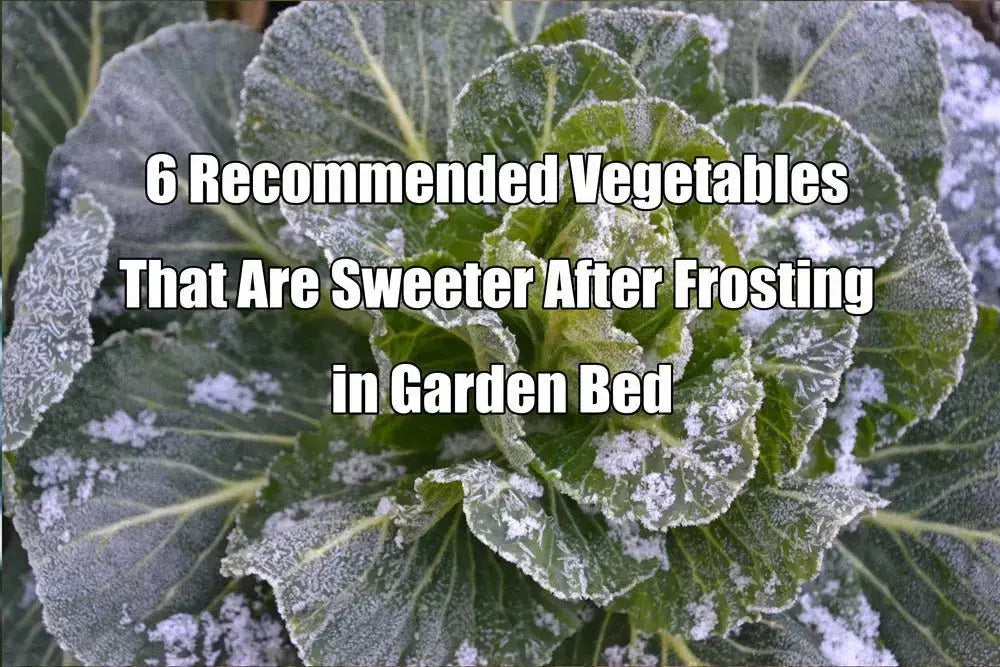
The sweetness of some vegetables increases after frosting. Most vegetables are afraid of frost, but some cold-tolerant vegetables have a self-protection function when exposed to extreme cold. When vegetables are frosted, their internal starch is decomposed by amylase into "sugar."
Vegetables are through the process of increasing their own sugar concentration to prevent frost, so some vegetables are extra sweet and crispy after the cold. Many gardeners grow vegetables even in the fall and winter months when the weather turns cold, in order to enjoy the fresh, intense flavour of vegetables planted for the fall and winter months.
However, not all vegetables become more delicious after frosting, and not all vegetables after frosting can be eaten. Some people believe that frosted eggplant is more delicious, while others believe that frosted eggplant cannot be eaten.
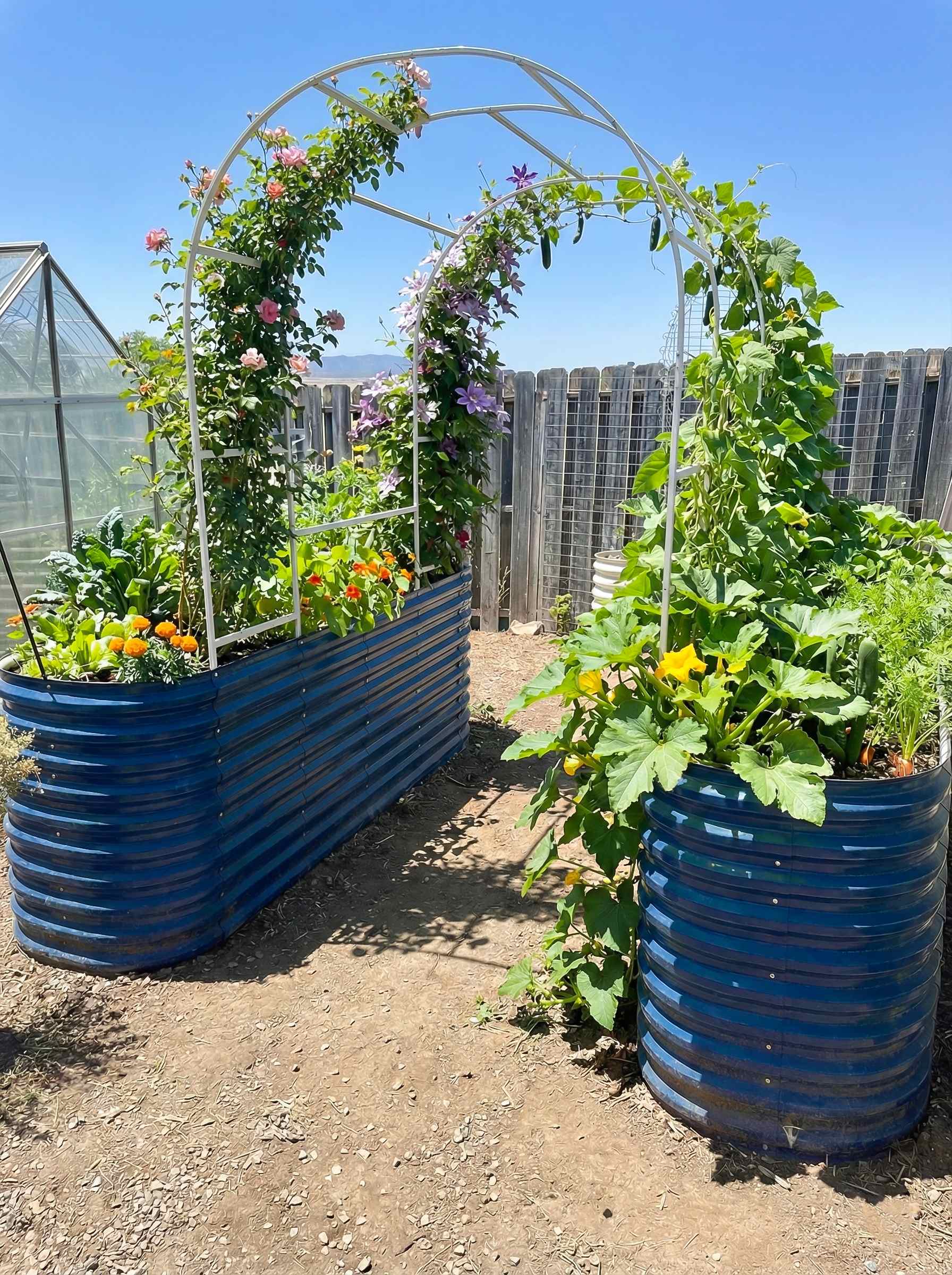
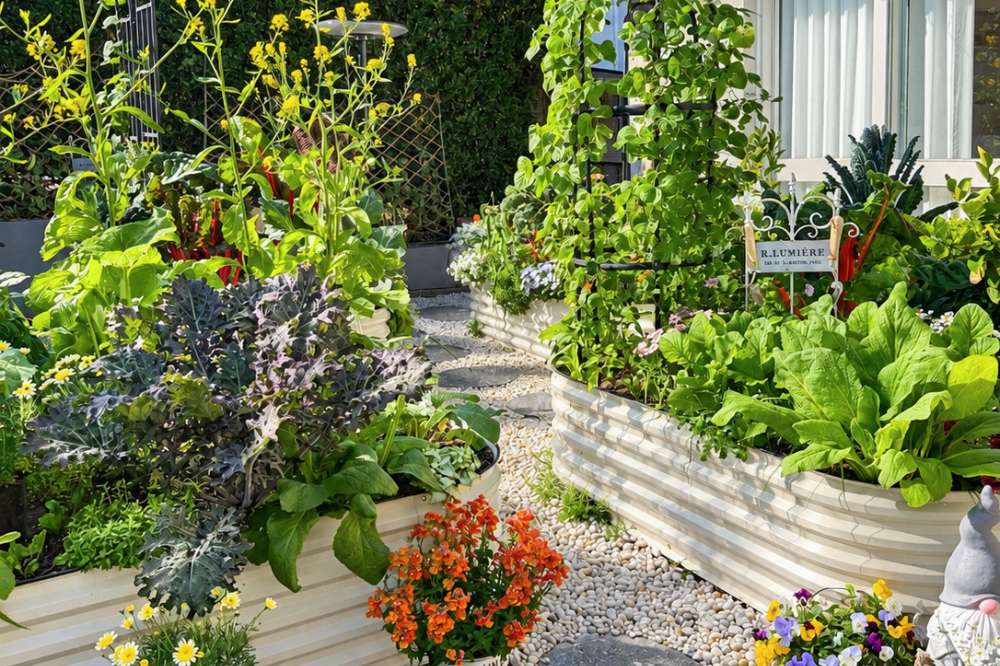
Some of the most serious problems encountered when planting in winter are caused by rainfall, not temperature. Therefore, protecting plants from rain is beneficial. To protect plants, a raised bed is an essential tool for fall and winter planting. Raised beds are an essential tool for fall and winter planting to protect plants. They not only effectively avoid water logging, but also absorb heat to warm the soil, making metal garden beds especially useful.
Can Vegetables Survive Frost, and Are Frost-Damaged Crops Safe to Eat?

Experiencing frost does not mean that vegetables must be damaged, nor does it mean that they are inedible. For kale, Brussels sprouts, and some root crops, short-term low temperatures usually do not immediately destroy the entire plant. But when the temperature drops lower, and the freezing lasts longer, even cold-resistant vegetables may experience tissue damage. The key to judging whether a frost affects the harvest is not whether the plant has been exposed to frost or snow, but the cold resistance of the specific crop, the actual degree of freezing, and whether the edible part is still in normal condition.
How to Recognize Frost Damage in Vegetables
Freezing damage tends to become more obvious after the temperature rises. Leaves affected by severe freezing may appear flooded, translucent, or abnormally colored, and then gradually soften, droop, or even turn dark and rot. Unlike normal cryogenic reactions, these changes indicate that plant tissues may have been damaged. If the damage only occurs in part of the outer leaves, the growth point and other healthy tissues in the center of the plant may still survive. However, if the stems, root crowns, or most of the edible tissues have softened, turned black, or become corrupt, continuing to wait will usually not restore the damaged part.
The freeze damage performance of different vegetables is not exactly the same. Leafy vegetables are usually easier to observe damage through the state of the leaves, while root crops such as carrots and parsnips, and frozen leaves on the ground do not necessarily mean that the underground roots have been damaged. On the contrary, whether the roots have abnormal softening, tissue discoloration, or corruption is an important basis for judging their preservation value. Therefore, if the leaves are found to be damaged after frost, it is not necessary to discard the entire vegetable immediately, but it is not possible to ignore other obvious signs of corruption just because the roots are still hard.
Can You Eat Vegetables After a Frost?
Generally speaking, healthy and cold-resistant vegetables can usually be harvested and eaten normally as long as the edible part is still intact after experiencing light frost. Crops such as kale, cabbage, carrots, etc. may continue to maintain good quality in cool weather. Even if the surface of the plants is covered with a layer of frost, it cannot be determined that the vegetables have deteriorated based on this alone. What really needs to be paid attention to is the tissue damage caused by freezing and whether there is subsequent corruption.
If the vegetables have obvious soft rot, abnormal stickiness, mildew, or a spoilage smell, they should no longer be regarded as normal post-frost harvest. In particular, it should be noted that the tissue with severe frostbite may quickly soften after thawing, and the appearance of the damage may also increase over time. For parts that cannot be determined whether they are safe, the safest thing to do is to abandon them, rather than trying to cover up the abnormal state through cooking. Cleaning can remove surface dirt, but it cannot make vegetables that have been corrupted safe again.
How to Protect a Raised Bed Garden From Frost

To extend the harvest period of vegetables in fall and winter, the key is to take appropriate protective measures before the arrival of strong frosts. For cold-season crops such as kale and spinach that are still growing, it is possible to judge whether they need to be covered based on the local weather forecast and the cold resistance of the plants, rather than waiting until the leaves have frostbite before processing.
Anti-frost cloth can help retain the heat around the plant and reduce the impact of light frost on vegetables. When choosing a covering material, the size of the raised bed, plant height, and local expected low temperature should be considered, and the cover should be properly fixed. After the weather warms up, ventilate or remove the mulch in time according to the needs of the crop. It should be noted that the protective ability of mulch is limited. In the face of continuous cold, you should still consider harvesting ripe vegetables in advance.
In addition to frost prevention, fall and winter planting also needs to pay attention to soil drainage. Continuous rainfall and stagnant water may affect the health of the root system, so the drainage status of the raised bed should be checked, and debris on the drainage path should be cleaned up in time.
If you want to continue planting in fall and winter, choose a suitable metal raised bed and match it with a suitable raised garden bed cover to make seasonal management more convenient. Gardeners who already have raised beds can give priority to suitable frost-proof covers.
FAQs:
1. Does frost make all vegetables sweeter?
No. Some cold-hardy crops develop a sweeter flavor in cool weather, but the response varies by crop and variety. Other plants are easily damaged by freezing temperatures.
2. Which vegetables can survive a hard frost?
Kale, cabbage, carrots, and Brussels sprouts are among the more cold-hardy crops, although their tolerance depends on variety, growing conditions, and how severe the freeze is.
3. Can you eat vegetables after a frost?
Yes, many cold-hardy vegetables can still be harvested after frost if their edible portions remain in good condition. Discard produce with signs of significant freeze damage or spoilage.
4. Should I cover my raised garden bed before the first frost?
Covering may be useful when growing crops that need protection from the forecast temperatures. Choose a cover suitable for the plants and your garden setup, and follow local frost forecasts rather than relying on one date for every region.
Conclusion
Frost does not necessarily mean the end of the autumn and winter harvest. For cold-resistant crops, suitable low temperatures may improve the flavor, allowing autumn planting to bring a harvest experience different from the warm season. However, there is a clear difference between flavor changes and frost damage. Choosing crops suitable for the local climate, mastering the timing of harvesting, and taking necessary protective measures before the arrival of strong frosts are the key to prolonging the harvest season.