What to Plant in December in Raised Garden Beds
Last Updated: November 20, 2026 by Vegega Team
In December, you can plant lettuce, spinach, arugula, radishes, carrots, kale, collards, and garlic in suitable mild-winter regions of the U.S. In colder areas, focus on harvesting established crops, protecting overwintering vegetables, or preparing your raised beds for spring.
- Can You Still Plant Vegetables in December?
- Vegetables to Plant in December in Mild-Winter Raised Beds
- What Can You Keep Harvesting From Raised Beds in December?
- What to Do When December Is Too Cold for Outdoor Planting
When December arrives, do we have to wait until spring to continue planting in the metal raised beds? Not necessarily. If the winter in your area is relatively mild, it may still be the right time to grow cold-season vegetables such as spinach, lettuce, and radish. In some areas, crops such as garlic and kale also have the opportunity to continue to grow or overwinter. However, December planting conditions in different parts of the United States vary greatly. Even if you are in the same USDA Hardiness Zone, soil temperature, sunshine time, frost frequency, and local weather may affect planting results. Therefore, when choosing crops, you can't just look at the month or cold resistance but also combine the local planting calendar.
This article will focus on the winter planting needs of raised bed gardens in the United States and introduce vegetables suitable for sowing in December, crops suitable for transplanting, and winter vegetables that can continue to be harvested. If the local area is no longer suitable for outdoor planting, it will also introduce how to prepare for the next round of planting.
Can You Still Plant Vegetables in December?

In warm areas, vegetables can still be grown in December. You can consider sowing suitable cool-season vegetables or transplanting locally recommended seedlings. In cold areas, December is more suitable for preparing for spring sowing next year.
Check Your Local Conditions Before Buying Seeds
Before purchasing seeds or seedlings, check the actual growing conditions of your raised bed:
- Soil condition: Has the soil not frozen yet? Is the drainage good? Can it be flipped and sown normally?
- Soil temperature: Does the current soil temperature meet the germination requirements of the target crop? Cold resistance does not mean that seeds can germinate smoothly in low-temperature soil.
- Overnight temperatures: Review the recent night low temperature and cold wave forecasts to determine whether the seedlings have enough time to establish.
- Winter sunlight: How much direct sunlight does the raised bed get every day? The sunshine is shorter in winter, and the growth rate usually slows down.
It should be noted that frost resistance does not equal freezing resistance. The actual cold resistance of a plant also depends on the variety, growth stage, plant health, and the environment around the raised bed. The same vegetable may not be significantly damaged in light frost, but it still needs protection when it encounters continuous freezing.
USDA Hardiness Zones can help understand the approximate range of local winter minimum temperatures, but it is mainly used to assess the cold resistance of perennial plants and is not a complete vegetable growing calendar. VEGEGA has compiled a [US planting calendar] for your reference
Vegetables to Plant in December in Mild-Winter Raised Beds

| Crop | How it may be started | What to check before planting |
|---|---|---|
| Lettuce | Sow seeds or transplant seedlings | Planting time, cold tolerance, protection needs |
| Arugula | Sow seeds or transplant seedlings | Soil temp for germination; slow growth in cold |
| Spinach | Sow seeds | Soil temp, sunlight; transplant in some areas |
| Radishes | Sow seeds | Cool-season variety; longer maturity time |
| Carrots | Sow seeds | Loose soil, germination temp, harvest timing |
| Kale or collards | Transplant seedlings | Enough time to root before cold |
| Garlic | Plant garlic cloves | Planting time, local varieties, winter chilling |
Leafy Greens: Lettuce, Arugula, and Spinach
Lettuce, arugula, and spinach are leafy vegetables that deserve priority in metal raised beds in mild winters. They can be planted from seeds or seedlings. If the soil temperature is suitable for germination, you can sow seeds in bed directly. If low temperatures have affected germination and seedling establishment, it may be safer to choose healthy transplanted seedlings. When choosing seeds, pay attention to whether the packaging is marked as suitable for planting in autumn, winter, or the cool season. In winter, the sunshine is shorter, and the temperature is lower. Even if it germinates successfully, the plants may grow more slowly than in spring and autumn.
Root Crops: Radishes and Carrots
Radishes and carrots are suitable for direct sowing in metal garden beds with good soil conditions. Radishes usually have a shorter growth cycle, which is more suitable for gardeners who want to see the results of planting sooner. Carrots require longer growth time and rely more on loose, well-drained soil for normal root development.
Transplants and Longer-Term Crops
If the local planting calendar still recommends transplanting in December, kale and collards are also options that can be considered. Compared with direct sowing, transplanting healthy seedlings that have grown a few leaves can reduce the problem of unstable seed germination in low-temperature soil. However, suitable conditions are still needed to help the root system establish after transplanting.
Garlic is a long-term crop that needs to be planned in advance. It is not a vegetable grown for harvesting within a few weeks but needs to go through a process of growth and low temperatures before it can form mature garlic. In some areas with mild winters, such as warmer areas in North Carolina, the planting window can last until December. If you want to know the selection of garlic cloves, planting depth, and subsequent maintenance, you can refer to our guide on [planting garlic in raised beds].
What Can You Keep Harvesting From Raised Beds in December?

For many gardeners, the most interesting thing about the raised bed in December may not be the new sowing but how to continue to harvest the vegetables that have grown. Cold-tolerant crops such as kale, spinach, leeks, carrots, and parsnips may still be harvested on demand in the planting bed under suitable local climatic and protective conditions.
However, these winter vegetables usually need to be planted in advance in late summer or autumn to allow the plants to fully establish before the arrival of low temperatures and short sunshine. After entering December, the growth rate tends to slow down. Vegetables in some areas will even stop growing temporarily, but they can still stay in the soil under proper protection, waiting for harvesting or resuming growth in the coming spring.
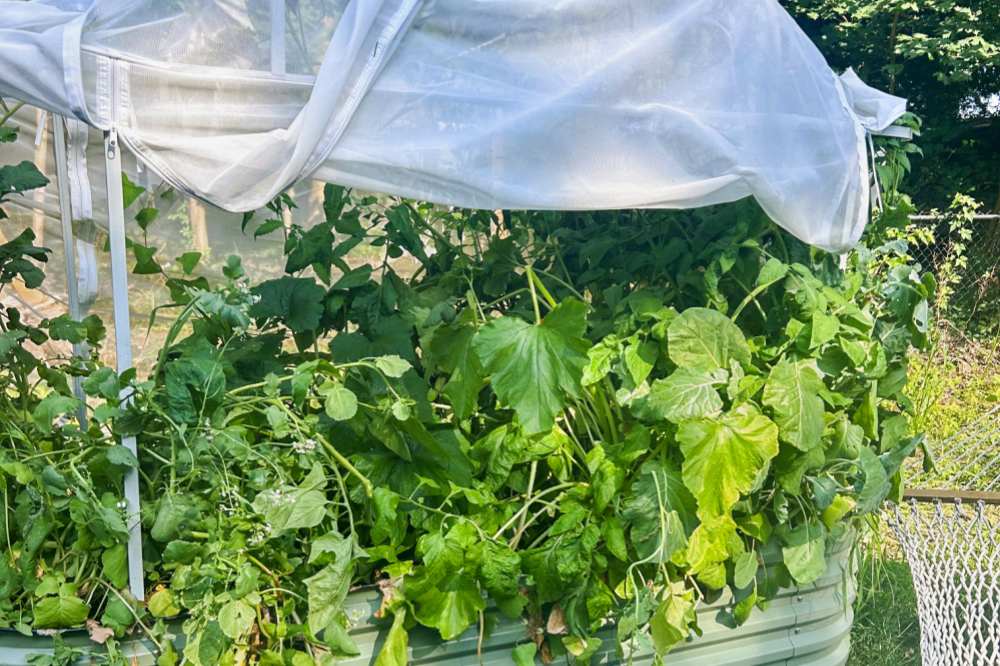
If there is still frost or cold wind in the local area, you can consider adding coverage protection to the metal bed. VEGEGA's Raised Garden Bed Cover System is equipped with arched brackets and mesh covers, and you can also choose a combination with a PE cover. The arched structure provides support for the covering material, and the mesh cover is suitable for daytime environments that require ventilation. On colder nights, PE cover can be used to provide additional shelter for crops to help reduce the impact of cold wind and retain part of the warmth. On sunny days, attention should be paid to ventilation to avoid excessive temperature in the covered space.
It should be remembered that cover cannot guarantee that vegetables will be protected from frost or severe cold. The actual effect still depends on the weather intensity and crop cold resistance. When harvesting, it is not necessary to pick a complete leafy vegetable at a time. Priority can be given to picking the outer mature leaves to allow the center to continue to grow. If you want to know which vegetables may taste better after a light frost, you can continue reading our [vegetables that taste better after frost] guide.
What to Do When December Is Too Cold for Outdoor Planting

If the soil has frozen, or the local temperature continues to be low and the sunshine is insufficient, you can take care of the existing crops in December, and then use winter to prepare for the next round of planting.
Keep Suitable Existing Crops Protected
If there are still cold-resistant crops such as kale and spinach in the planting bed, you can decide whether to continue planting and harvesting according to local weather conditions. In the event of frost or a cold wave, use suitable covering materials to provide additional protection for plants. VEGEGA Raised Garden Bed Cover can be used as an option, but the coverage method should be adjusted according to the weather, and attention should be paid to ventilation during the day. For more anti-frost layouts and protection methods, please refer to our guide on [how to protect plants from frost in raised beds].
Give Empty Beds a Winter Break
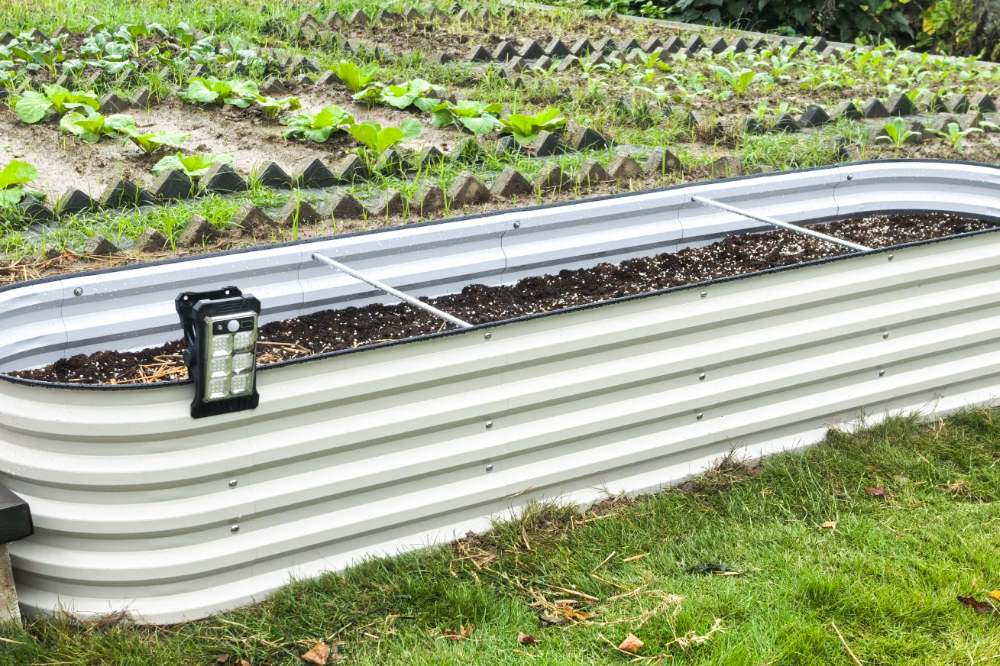
If the metal raised bed has completed this season's harvest, you can raise the soil in advance to prepare for planting next year. Remove plants and weeds that have ended their growth, and deal with plant residues with pests and diseases.
Metal beds usually do not need to be disassembled or emptied for the winter. Mature compost can be appropriately supplemented according to soil sedimentation, and exposed soil can be protected with mulch. For specific winter preparation steps, please refer to our [winterizing raised garden beds] guide. If you haven't completed the end-of-season cleanup, you can also check [the fall garden cleanup checklist].
Plan Your Next Planting Window
Winter is also a good time to organize planting plans for the next season. Check whether the existing seeds have expired, select suitable varieties according to the local Extension planting calendar, and confirm the sowing and transplanting times for spring vegetables in advance. If you plan to raise seedlings indoors, you can push the sowing date backwards according to the recommended seedling time for the crop, instead of all vegetables being sown in advance in December.
Conclusion
Whether vegetables can still be grown in the metal raised bed in December depends on the local climate, soil temperature, and the planting window of specific crops. In mild winter areas, sowing or transplanting cool-season vegetables can continue according to local recommendations. In cold areas, the focus can be on harvesting existing crops, protecting them in winter, and planning for spring planting. No matter which region you are in, it is more important to understand the local conditions than simply copying a December planting list.