Metal Raised Garden Beds for Seniors: A More Comfortable Way to Keep Gardening
Last Updated: July 16, 2026 by Vegega Team
Metal raised garden beds make gardening more comfortable for seniors by reducing bending, kneeling, and repetitive movements. The right height and durable, low-maintenance design can help older adults continue gardening more easily for years to come.
- Gardening Supports Healthy Aging
- How Raised Garden Beds Reduce Physical Strain
- Why Metal Raised Beds Are Especially Suitable for Seniors
- Choosing the Right Raised Bed for Seniors
- Best Plants for Senior-Friendly Raised Beds
For many retirees, tending a garden becomes one of the most rewarding parts of daily life. Checking on young seedlings in the morning, picking fresh lettuce for lunch, or watching the first tomato flower bloom gives each day a sense of purpose and something to look forward to.
However, as we age, gardening can become more physically demanding. Repeated bending, kneeling, lifting watering cans, and standing back up may lead to sore knees, back pain, or joint discomfort. For older adults with arthritis or reduced mobility, even a short gardening session can feel exhausting.
The good news is that growing older doesn't mean giving up gardening. In fact, gardening is widely recognized as one of the best low-impact activities for healthy aging, supporting physical movement, emotional well-being, and a sense of independence. Sometimes, the solution isn't to garden less—it's to garden differently. Raised garden beds make gardening easier on the body, while durable metal raised garden beds help create a safer, more comfortable, and lower-maintenance garden that seniors can enjoy for years to come.
Gardening Supports Healthy Aging

Stay Physically Active in a Gentle Way: From sowing and pruning to watering and harvesting, these gentle, repetitive movements help maintain joint flexibility, muscle strength, and balance. Spending just twenty or thirty minutes a day tending to the garden is far easier to sustain over the long term than occasional, intense exercise.
Support Mental and Emotional Well-Being: Watching plants grow day by day, waiting for the first flower to bloom, and harvesting that first ripe tomato—these small but tangible changes bring a steady stream of satisfaction and anticipation. Having something worth doing every day also helps ease loneliness and anxiety, anchoring life in a positive, steady rhythm.
Keep the Mind Engaged: Gardening exercises not just the body, but the brain as well. Deciding when to sow, which plants need more sun, and how to tell if the soil needs watering—these observations and decisions continually stimulate cognitive function, helping seniors maintain the habit of learning and problem-solving.
Create Meaningful Moments with Family: A garden is also a place to connect with loved ones. Plant a row of lettuce with your partner, invite grandchildren to pick strawberries together, or share freshly cut herbs with neighbors. These simple interactions give gardening a deeper meaning. More often than not, what lingers in memory isn't the quantity of vegetables harvested—it's the time spent caring for the plants together and the joy of sharing the harvest.
How Raised Garden Beds Reduce Physical Strain

For many seniors, the most tiring part of gardening isn't sowing, watering, or harvesting—it's the small, repetitive motions that happen dozens of times a day.
Bend down to plant a seed, kneel to pull a few weeds, stand up to grab a tool, then bend over again to pick a ripe tomato. When you're young, these movements hardly register. But as the years pass, the flexibility in your knees, lower back, and hips gradually declines. What once felt effortless slowly accumulates into a daily toll on the body.
The true value of a raised garden bed lies in raising the garden to a height that works with your body, rather than forcing your body to bend to the ground. Compared with in-ground planting, raised beds dramatically reduce the need for frequent bending and kneeling. For seniors living with arthritis or chronic back pain, this means less stress on aching joints and less physical exhaustion after each gardening session.
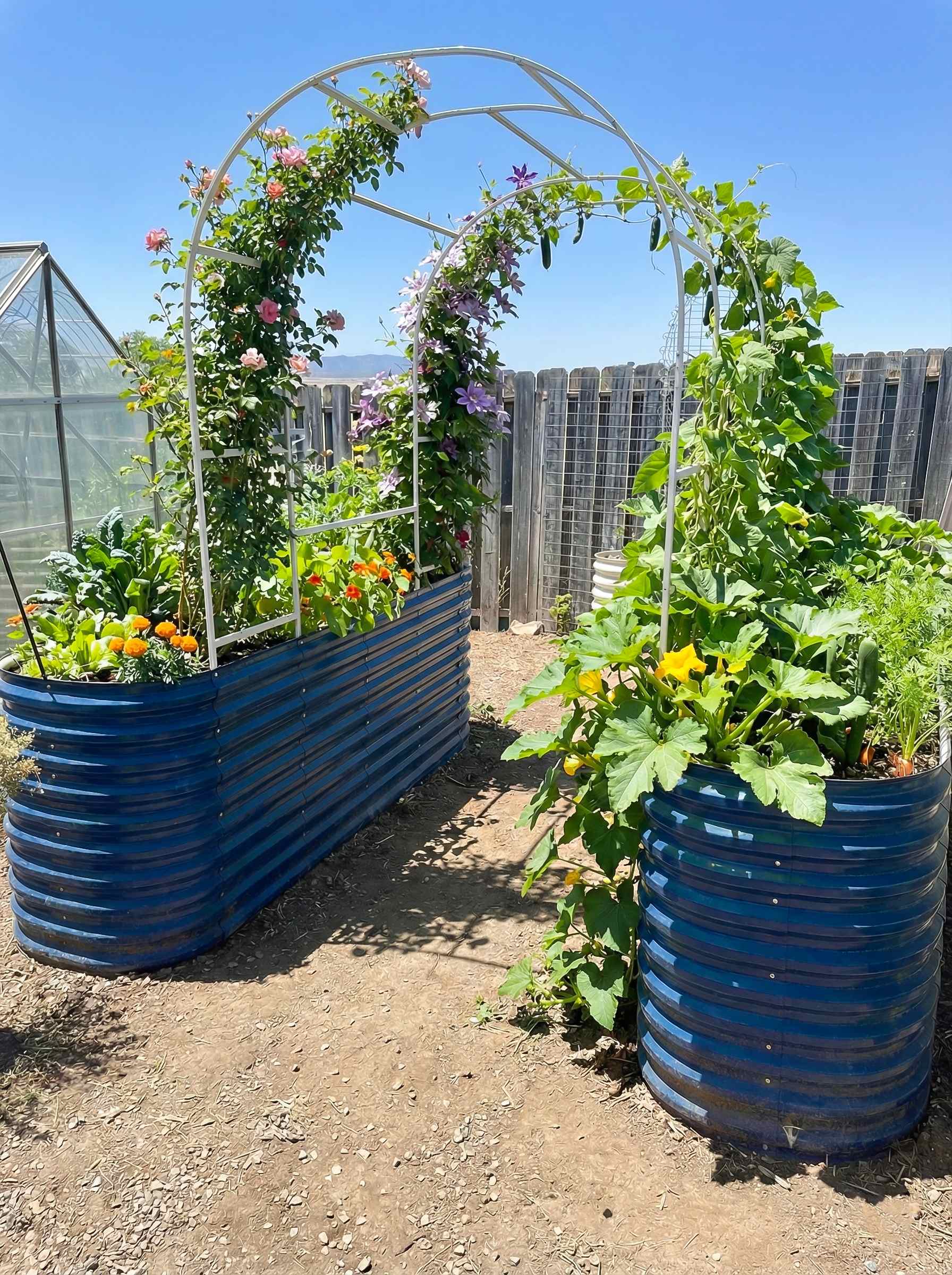
VEGEGA's metal raised beds allow every task—sowing, pruning, weeding, and harvesting—to be done in a more relaxed, upright posture. Wooden raised beds rarely reach 32 inches in height, and maintaining them over time becomes a burden in itself. A 32-inch raised bed lets gardeners stand comfortably while working, making it an ideal choice for those with back or knee pain. A 17-inch raised bed, on the other hand, is perfect for sitting on a gardening stool—plants are always within easy reach. Raised beds also make daily maintenance more efficient: plants are grown more densely, so there's no need to walk back and forth across a large plot just to water, weed, fertilize, or harvest. Gardeners can focus their energy on caring for the plants themselves, rather than spending it on unnecessary physical effort.
Why Metal Raised Beds Are Especially Suitable for Seniors

Raised garden beds solve the problem of "how to grow vegetables more easily," and the material determines whether this ease can last for years to come. For older gardeners, an ideal garden isn't one that demands constant upkeep—it's one that stays stable, safe, and worry-free, offering reliable companionship season after season. This is exactly why more and more senior gardeners are turning to metal raised beds.
Compared with traditional wooden garden beds, one of the biggest advantages of metal raised beds is durability. Wood, exposed to rain, sun, and soil moisture over time, tends to rot, crack, or warp—requiring regular maintenance or even full replacement. High-quality metal raised beds, by contrast, maintain their stability for years, significantly reducing follow-up work. For older gardeners whose mobility is gradually changing, this also means less physical burden.
The sturdy structure also improves safety. Many people unconsciously reach for the edge of the garden bed to steady themselves when sowing or harvesting. If the bed has loosened due to wood aging, that seemingly small wobble can increase the risk of a fall. A sturdy metal raised bed provides more reliable support, making daily gardening far more reassuring. VEGEGA's metal raised beds feature smooth panels with protective edging, further reducing the risk of bumps and scratches.
Beyond durability and safety, metal raised beds are virtually maintenance-free. They don't require regular painting, sealing, or replacing boards, and they won't be damaged by termites. For retirees, spending more time on planting and less on maintaining the garden is itself a more relaxed way of life.
Choosing the Right Raised Bed for Seniors

Choose the Right Height for Comfort
If you can still bend over easily and your daily movements aren't too restricted, a 17-inch raised bed is a great starting point. It already eliminates much of the frequent squatting and kneeling that makes ground-level gardening so tiring, making it a solid choice for most home vegetable gardens.
If you want to reduce bending even further—or if you already deal with lower back pain, knee discomfort, or arthritis—then a taller 32-inch raised bed will be a noticeably more comfortable option. At this height, the planting surface sits closer to your waist, so tasks like sowing, pruning, and harvesting can be done while standing upright. You can also pair it with a gardening stool and work in a seated position, which greatly reduces the strain caused by repeatedly getting up and down.
For many older gardeners, a taller raised bed isn't just about raising the soil—it's about keeping gardening within reach, literally and figuratively. It helps them continue weaving this fulfilling hobby into their daily rhythm, rather than slowly letting go of it as physical discomfort creeps in.
Don't Choose a Bed That's Too Wide
For senior gardening, width often matters more than length. If a bed is too wide, every session of weeding, pruning, or harvesting becomes a stretch—literally. You'll find yourself reaching forward repeatedly, even leaning into the bed, which puts extra strain on your lower back and shoulders. It can also tempt you to step into the bed for better reach, which compacts the soil and affects plant growth.
As a general rule, a raised bed about 2 feet wide is the most ergonomic choice. From either side, you can easily reach the center without overextending your body or straining your back. This simple dimension makes daily plant care easier, safer, and far more enjoyable—because gardening should feel like a pleasure, not a stretch.
For more details about choosing the perfect width & shape raised bed, you can read the blog here: the perfect width & shape for metal raised garden beds.
Best Plants for Senior-Friendly Raised Beds

For senior gardening, choosing plants that are easy to take care of and stable to harvest is more important than pursuing the number of varieties.
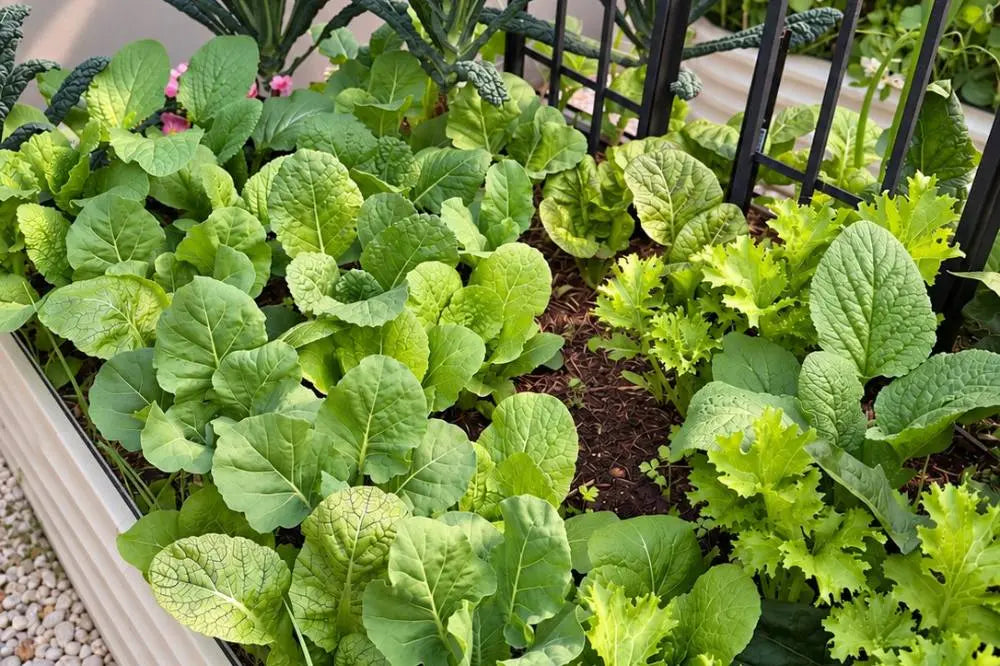
Leafy vegetables, such as lettuce, spinach, and kale, grow fast and can be harvested multiple times, making them ideal for families who want fresh vegetables to be picked every day.
Vanilla plants, such as basil, rosemary, and mint, cover a small area and are simple to manage. Whether they are used for cooking or making tea, they can enrich daily life.
Tomatoes are still the favorite crop of many gardeners. As long as it is supported by a bracket, it can continue to be harvested throughout the summer, bringing a full sense of accomplishment.
If you want the garden to be both beautiful and practical, you can add strawberries and marigolds. The former is fun to pick, while the latter can attract pollinating insects and add more color and vitality to the vegetable garden.
For the senior, the best garden is not to grow the most but to have plants that are easy to take care of, can be harvested continuously, and make them willing to walk into the garden every day to take a look.
Conclusion
As you age, your body will change, but your love of gardening will not necessarily change. By choosing a more ergonomic raised garden bed, as well as a durable, stable, and low-maintenance metal raised garden bed, the senior can still easily enjoy the fun of sowing, caring for, and harvesting.
More importantly, the value of gardening is never just harvesting a basket of vegetables. It keeps the body active, makes the mood more enjoyable, and also allows retirement to have small goals that are worth looking forward to every day. Growing older doesn't mean giving up gardening—it simply means choosing tools that help you enjoy it for many more years.